A single starter kit can leave you managing the wrong problem from day one. Corn snakes, royal pythons and western hognoses can suit first-time keepers, but their enclosure, climate and handling demands are not interchangeable.
Table of Contents
Advertisement
Choose the risk you can manage
Choose the species whose main daily risk you can manage: escape prevention for corn snakes, climate stability for royal pythons, or defensive displays for hognoses.
Pick corn for reliable routine feeding
Corn snakes usually feed reliably, but their enclosure must be locked and every cable hole, door edge and ventilation gap checked before arrival.
Pick hognose only if bluffing is fine
Choose a western hognose only if hissing, flattening, bluff strikes and occasional food fussiness will not make routine care stressful.
Buy from a reputable breeder or rescue that can state the animal’s origin, hatch date or approximate age, feeding history and any health concerns. Captive-bred snakes are generally the most responsible choice because they avoid supporting wild collection and are more likely to have an established feeding record. Ask for written proof of sale and retain any relevant documentation, particularly if you may move home, travel with the animal or insure it. Before choosing a western hognose, check current local rules with the relevant council or national authority: hognose defensive behaviour and their mild venom are not the same as keeping a legally regulated venomous snake, but local restrictions, landlord terms and insurance conditions can still differ.
A breeder should never dismiss those checks.
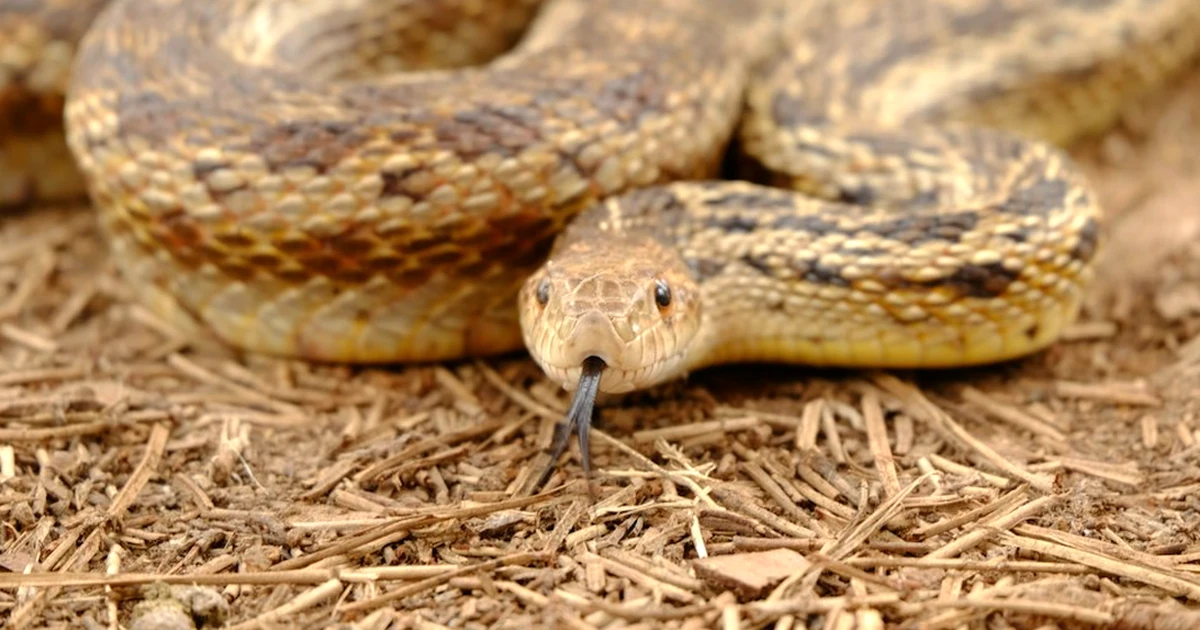
Compare care needs before buying
Match the adult enclosure, temperature gradient, humidity range and feeding pattern to your home and budget before purchasing any animal. Do not buy a generic kit before these decisions are made.
| Measure | Corn snake | Royal python | Western hognose |
|---|---|---|---|
| Adult length / lifespan | 90–150 cm / 15–20+ years | 90–150 cm / 20–30+ years | 45–90 cm / 10–18 years |
| Adult enclosure baseline | 90 × 45 × 45 cm | 120 × 60 × 60 cm | 90 × 45 × 45 cm |
| Warm hide / cool end | 28–30°C / 21–24°C | 31–33°C / 24–27°C | 28–30°C / 21–24°C |
| Working humidity range | 40–60% | 60–80% | 30–50% |
| Typical adult feeding | Every 7–14 days | Every 10–21 days | Every 7–14 days |
| Main practical risk | Escapes | Fasting and humidity drift | Defensive behaviour |
| Beginner difficulty | Lower | Moderate | Moderate |
Royal python needs stable air
Royal pythons need measured humidity and a dry, secure setup with a 31–33°C warm hide; their calm appearance does not remove climate responsibility.
Costs rise with poor equipment
Use a thermostat plus independent thermometer and hygrometer; built-in dials alone cannot confirm safe conditions at both ends.
Independent temperature and humidity readings help spot a bad gradient before it affects feeding or shedding. They are especially useful when a vivarium’s built-in dial disagrees with the actual warm hide.
- Checks the warm hide and cool end rather than one vague enclosure reading
- Shows whether royal python humidity stays within a workable range overnight
- Helps confirm that a thermostat setting matches the snake’s actual environment
Budget for the whole setup, not just the snake. A secure corn snake enclosure or western hognose setup commonly costs around £200–£450 before the animal when it includes an appropriate adult enclosure, secure heat source, reptile thermostat, digital thermometer, reptile hygrometer, two snug hides, water bowl, substrate and transport box. A royal python vivarium often costs more, roughly £350–£700, because a larger enclosure and dependable humidity management are needed. Use a low-output daylight LED or room lighting on a consistent 10–12-hour cycle, provide a warm hide and a cool hide, and choose substrate that stays dry and clean rather than dusty or scented.
Identify an exotics vet before purchase, because urgent care is harder to arrange after a problem starts.
Advertisement
Feed safely and handle refusals
Use frozen-thawed rodents, correct prey size and measured conditions; refusing food is usually a husbandry question before it is a prey question. Never use live prey after a refusal, because rodents can injure snakes.
Check husbandry before prey changes
For a refusal, review temperatures, humidity, hides, shed cycle, disturbance and body weight before changing prey; seek an exotics vet if weight falls.
Prepare before the snake arrives
Run the vivarium for 7–14 days before collection, fit a thermostat to every heat source, and quarantine new snakes separately for 60–90 days where practical.
Offer a frozen-thawed rodent that is no wider than, or only slightly wider than, the snake’s widest body point; feeding oversized prey increases regurgitation risk and does not make a snake healthier. A regular feeding response, purposeful tongue-flicking and active scent-tracking can suggest hunger, but a snake should not be fed simply because it is active on one evening. If a meal is refused, remove it after a short period and wait until the next appropriate feeding day rather than repeatedly offering prey.
Recheck the snake’s temperature gradient, warm hide temperature, cool end temperature, humidity range, recent shedding, handling and weight. Royal python fasting can be normal in a healthy adult, but ongoing refusal alongside weight loss requires exotics-vet advice.
Frequently asked questions
Are hognose snakes hard to care for?
Prepared beginners can manage them if they accept defensive displays, provide secure heating, and stay calm over feeding refusals.
What is the friendliest first pet snake?
Corn snakes are predictable first pets because many feed reliably and tolerate calm handling after settling.
What is the biggest problem with corn snakes?
Escapes are the main problem: lock doors, secure cable exits and inspect ventilation panels, because corn snakes exploit small gaps.
Do royal pythons stop eating for no reason?
They may refuse food during shedding or stress, but check measured temperatures, humidity, hides and weight before changing prey.
Is a hognose bite dangerous in the UK?
Bites are usually low medical importance but can hurt and swell; seek advice for significant swelling, breathing symptoms or allergy.
How long should I quarantine a new snake?
Keep new snakes separately for 60–90 days where practical, using paper towel, separate tools and weight checks to identify mites or respiratory signs.
The right first snake is not universal
The safest choice is the snake whose enclosure and routine you can sustain throughout its life.
- A corn snake is the strongest first choice for most beginners who can make the enclosure escape-proof.
- A royal python is rewarding, but only when humidity, space and feeding refusals will be managed calmly.
- A western hognose is not a novelty pet; choose one only if its defensive behaviour feels acceptable in daily life.
- Buy the thermostat, independent gauges, secure vivarium and exotics-vet plan before buying the snake.

The Reptile Vivarium Team
Our guides are based on comparing specialised reptile care sources, keeper community input, and recognised husbandry guidelines — we are not vets or professional breeders, and we say so where it matters.
The information on this site is general in nature. For any concerns about the health or welfare of your reptile or amphibian, always consult an exotics vet.