Ball python handling should be calm, brief and led by the snake’s behaviour, not forced into a daily routine. Let a new snake settle, avoid handling after meals, support its body without gripping and return it at the first sign of stress.
Table of Contents
Advertisement
Check whether your royal python is ready
Handling ball pythons should be optional, brief and based on the individual snake’s behaviour. The aim is not to make a snake tolerate contact every day, but to move it safely when needed while keeping stress as low as possible.
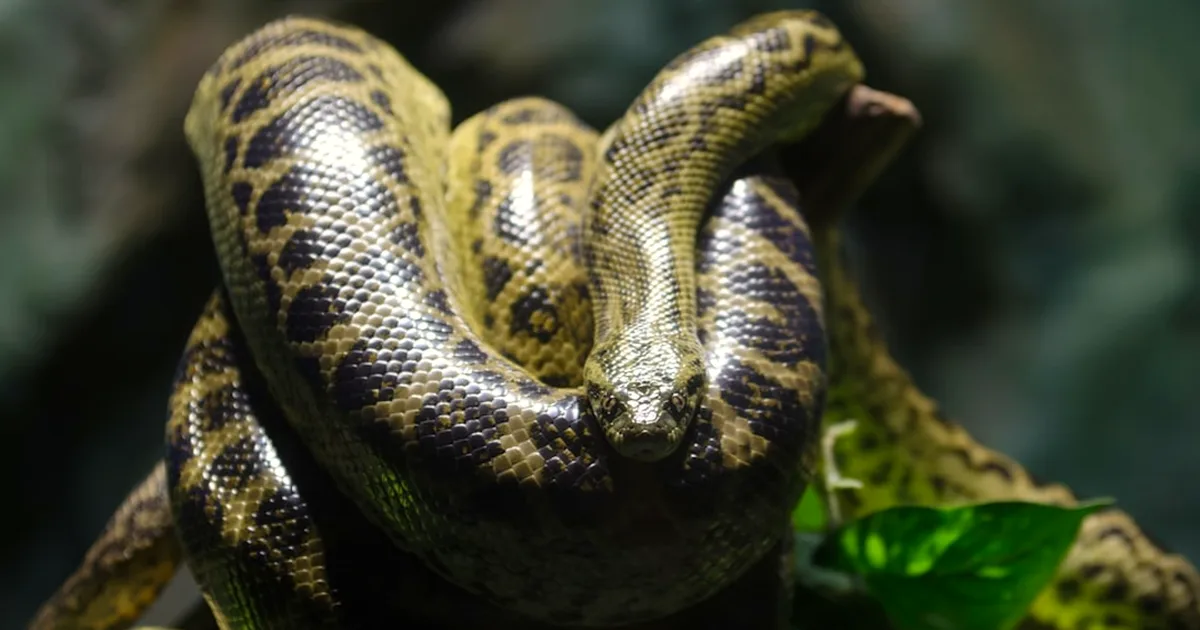
Safe ball python handling steps
- Wash and dry your hands to remove food smells.
- Open the vivarium slowly and avoid reaching suddenly from above.
- Touch the snake gently with a hook or the back of your hand before lifting, especially if it may expect food.
- Slide one hand under the middle of the body and support the rest with your other hand.
- Keep the snake close to a safe surface and allow it to move through relaxed hands.
- Return it to the enclosure calmly if it tightens into a ball, tries to flee or becomes defensive.
Advertisement
How often should you handle a ball python?
Most settled adult ball pythons do well with one or two short sessions a week, usually lasting five to ten minutes. Some individuals prefer less contact. Avoid daily handling, handling during shedding, and handling for at least 48 hours after feeding. A snake that has eaten a large meal may need longer to digest undisturbed.
Common handling mistakes to avoid
Do not grab the head, restrain the body, pass the snake between several people or allow children to handle it without close adult supervision. Never handle a ball python when it is visibly stressed, unwell, preparing to shed or refusing food without first reviewing its husbandry.
Expert welfare guidance
For further reptile welfare advice, consult guidance from the RSPCA, British Veterinary Association and an experienced reptile veterinarian.
Wait for calm feeding and calm body language before handling your snake. A royal python, also called a ball python or Python regius, needs a secure vivarium, reliable food, suitable temperatures and the choice to avoid contact.
Let a new snake settle first
Leave a new snake alone for at least 7 days after arrival, apart from water changes and essential checks. Wait until it has eaten reliably for at least two feeds before attempting handling.
Read the body before opening the door
A loose body, slow movement and steady tongue-flicks may mean exploration. A tight ball, rigid stillness, repeated retreat, fast escape movements or an S-shaped neck means you should pause and leave the snake undisturbed.
Build handling up gradually
For the first two weeks after a ball python arrives, limit contact to essential husbandry and allow it to establish a predictable feeding routine. Once it has taken two meals and passed them normally, try one five-minute session in week three only if its body language is loose and exploratory. In week four, offer one or two sessions of five to ten minutes, leaving several days between them. Progress only when the snake remains relaxed during lifting and returns calmly to the vivarium; step back to shorter sessions, or pause for a week, if it balls tightly, repeatedly retreats, refuses food or shows other ball python stress signs.
This gradual approach supports snake welfare rather than treating handling as a target to achieve quickly.
Advertisement
Decide if handling is safe today
Use the snake’s current state to decide yes, wait or no. Do not handle for at least 48 hours after feeding, and wait longer after a large meal or in cool conditions.
Use this yes-or-no check
| What you see | Decision | What to do now |
|---|---|---|
| Two reliable feeds, loose body, slow exploration | Handle briefly | Offer a supported hand for 5 to 10 minutes |
| Fed within the last 48 hours | Do not handle | Leave the snake to digest, then reassess |
| Large meal, food lump, cool conditions | Wait and reassess | Wait 72 hours or until digestion signs have passed |
| Dull skin or opaque blue-grey eyes | Do not handle | Leave it secure during shedding |
| Tight ball, S-neck or repeated fleeing | Do not handle | Close the vivarium and try another day |
| Needs a full clean | Handle only if necessary | Move it briefly into a secure ventilated tub |
| Wheeze, mites, burns, weight loss or regurgitation | Do not handle routinely | Contact a reptile vet |
Offer a choice, not a demand
Wash and dry your hands to reduce Salmonella transfer and remove prey scent. Open slowly, place a hand near the middle of the body and close the vivarium if the snake retreats, freezes or coils tightly.
Lift and return your snake safely
Slide under the middle of the body and support its weight with both hands. Keep your hands low over a bed, sofa or clear floor space.
Pick up from the middle third
Slide one hand beneath the middle third, then add the second hand under another section. Do not grip the head, neck or tail tip; adult royal pythons need support in several places.
End before the snake becomes stressed
Begin with 5 to 10 minutes and return the snake at the first sign of tension, frantic movement or exit-seeking. Lower it near a familiar hide and let it crawl away.
Match handling to age, confidence and size
A hatchling or newly acquired royal python may need shorter, less frequent contact than an established adult, even when it is feeding well. With babies, keep supported snake handling close to the floor and use both hands as soon as the body length requires it; their quick movements can make them feel less secure than their size suggests. A timid snake may benefit from several weeks of choice-based observation at the vivarium door before any lift is attempted.
Large adults are not necessarily harder to handle, but they need their body supported in more than two places and should never be allowed to hang from one hand. Calm snake handling means adapting to the individual, not expecting every Python regius to progress at the same pace.
Avoid the handling mistakes that cause panic
Stop forcing contact when the snake says no. Daily handling is unnecessary, and a tightly balled snake is protecting itself rather than inviting contact.
A feeding strike is often quick and directed at a prey-scented hand, while a defensive strike follows fear. If bitten, remain still, support the snake, wait for release and clean the wound.
Adapt your plan to the snake
Shy snakes may need weeks without handling, while large adults need extra support. Record feeding, shedding and handling dates to identify patterns in tolerance.
Use clean hands and respond safely to a bite
Good reptile hygiene starts before contact and finishes afterwards. Wash and dry hands before opening the vivarium to remove food or rodent scent, then wash thoroughly with soap and warm water after handling, cleaning the enclosure or touching equipment. Keep children closely supervised, and do not allow a snake to touch faces, food-preparation areas or household surfaces used for eating. If a ball python bites, do not pull it away, as this can damage its teeth or your skin.
Stay calm, support the body and gently run cool water over the mouth area if it does not release promptly; then clean the wound and seek medical advice for a deep wound, increasing redness, swelling or signs of infection. These steps reduce avoidable bite risks and protect both keeper and animal.
Advertisement
Your questions answered
Can I handle my ball python every day?
No. One or two short weekly sessions are usually enough.
How long should I wait after feeding?
Wait at least 48 hours, or around 72 after large meals.
How long should a first session last?
Start with about 5 minutes and end earlier if tense.
Does a ball python like being held?
Some tolerate it calmly, but they do not need affection-like contact.
Why does my snake curl into a ball?
It is seeking protection; leave it in its hide and try later.
How can I tell a feeding response from a defensive strike?
A feeding response is fast, focused and often triggered by rodent scent.
What should I do if my snake bites me?
Stay still, support it, wait for release, then wash the wound.
Let the snake set the pace
The safest handling routine is the one your snake can calmly decline. Supported contact is optional, not a measure of trust or care quality.
- Wait for reliable feeding and at least 48 hours after every meal.
- Read a loose, exploring body as possible tolerance, and a tight ball or S-neck as a clear stop sign.
- Lift from beneath the middle of the body and support the snake without gripping it.
- Keep handling short, quiet and optional, especially for new or timid royal pythons.
Further reading
If you want to learn more about this topic, these sources may interest you:
- How do you get a snake used to being handled? (More info ... — reddit.com
- Ball Python Handling Tips — reptifiles.com
- One Kit Won’t Suit Corn, Royal Python or Hognose Care
- Keeping Ball Python Enclosures Small Isn’t Safer

The Reptile Vivarium Team
Our guides are based on comparing specialised reptile care sources, keeper community input, and recognised husbandry guidelines — we are not vets or professional breeders, and we say so where it matters.
The information on this site is general in nature. For any concerns about the health or welfare of your reptile or amphibian, always consult an exotics vet.