For most ball pythons, a 5–8 cm layer of low-dust coconut husk, cypress mulch or reptile-safe bark provides cover and helps maintain roughly 60–70% humidity without leaving the enclosure wet. The right ball python substrate depends on your room humidity, enclosure ventilation and cleaning routine, as well as how easily you can spot-clean and replace damp areas.
Table of Contents
Advertisement
Ball python substrate: match it to your home
The best bedding depends on your room humidity, enclosure ventilation and cleaning routine.
Coconut husk, bark and cypress compared
Coconut husk is usually the simplest starting choice for a beginner. Its chunky pieces hold water between them, so faeces are easier to lift out than from fine coconut fibre, which can cling to waste and compact when very damp.
| Material | Humidity hold | Spot cleaning | Typical UK cost | Best use |
|---|---|---|---|---|
| Coconut husk | High | Easy | £5–£10 per compressed block | Most dry homes |
| Coconut fibre | High | Moderate | £4–£9 per block | Mixed with husk |
| Orchid bark | Medium | Easy | £10–£20 per 10 litres | Well-ventilated vivariums |
| Cypress mulch | High | Easy | £12–£22 per 10 litres | Dry rooms, if reptile-safe |
| Aspen shavings | Low | Easy | £8–£15 per 10 litres | Dry, closely monitored setups |
| Paper towels | Very low | Very easy | Low | Quarantine or treatment |
Aspen is not poisonous simply because it is dry. Its weakness is that it does not hold humidity well, so it often becomes a poor fit in a heated flat in Leeds, Birmingham or London where the room air dries it quickly.
When comparing vivarium substrate, look beyond humidity retention. A good coconut husk substrate is usually low in dust, easy to lift waste from and less likely to become compacted than fine coconut fibre, while orchid bark and cypress mulch should be sold as untreated, reptile-safe bark rather than garden material. Avoid sand, scented bedding and very dusty products: they do not provide dependable humidity and can irritate the snake or make cleaning difficult.
Pine and cedar shavings should also be avoided because their aromatic oils are unsuitable for enclosed reptile housing. Any natural substrate can mould if it is kept wet, so mould prevention depends on a dry surface, sensible ventilation and removing soiled sections promptly.
Choose ball python bedding according to the animal and enclosure, not simply the product label. For a new hatchling, a simple 5 cm layer of coconut husk or a temporary paper-towel setup makes feeding, droppings and health checks easier; an established adult can use a deeper 5–8 cm bed in a larger enclosure. In dry English homes, a PVC enclosure with controlled ventilation usually holds reptile enclosure humidity more steadily than a glass vivarium with a large mesh top, which may need more substrate depth and careful adjustment of ventilation.
Beginners should start with chunky husk because it is forgiving to spot-clean. A drainage layer is not needed in an ordinary non-bioactive enclosure and can trap stagnant water; reserve one for a correctly planned planted or bioactive system.
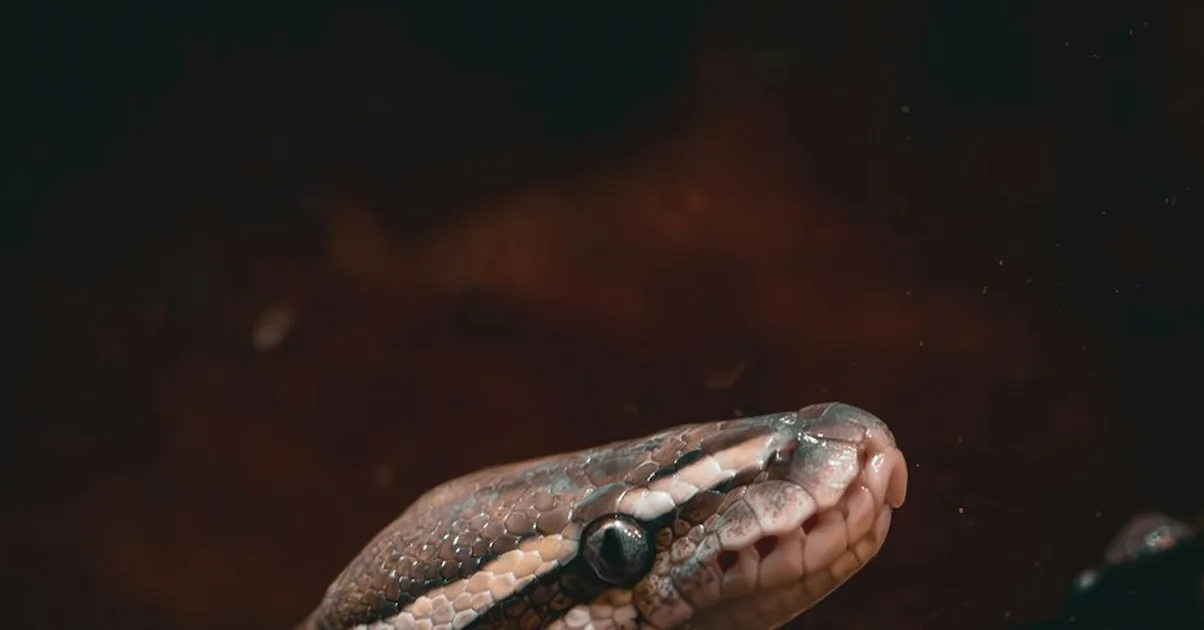
For dry English homes, choose a deeper bed
A 5–8 cm bed is usually more useful than extra misting because it stores moisture below the surface.
5–8 cm holds moisture below.
Add it to lower, cool-side layers.
Keep resting areas dry.
Offer damp moss only inside.
Buy by litres, not by bag count
Compressed coconut blocks are common in the United Kingdom and often expand to around 8–10 litres after water is added, though brands vary. Check the stated expanded volume, then buy enough to fill the footprint once, with some spare for dirty patches.
Compressed coconut husk is useful when you need enough volume for a deep bed without storing several bulky bags. Check the expanded litres before ordering for your vivarium size.
- Holds moisture beneath a drier surface when prepared correctly
- Chunky pieces make faeces and shed easier to remove
- Compressed blocks take less cupboard space in smaller English homes
Measure the air, not the lid
A digital hygrometer measures relative humidity, meaning how much water vapour is in the air compared with what that air can hold. Place it near snake height, away from the water bowl and direct heat, then check it at different times of day.
Advertisement
Set it up without wet corners or mould
Keep the surface dry enough for the snake to rest, while lower substrate layers and a humidity hide support shedding.
Build a humidity hide, not a swamp
A humidity hide is a covered hide containing lightly damp sphagnum moss or damp substrate. It gives a snake a small moist retreat during shedding without making the entire vivarium damp.
Clean below the visible waste
Specialists and experienced keepers agree that a full substrate change is based on smell, dampness and contamination rather than a fixed calendar date. Many simple setups need a full change around every 4–8 weeks, but a clean, dry enclosure may need less frequent replacement and a persistently wet one needs action sooner.
Spot cleaning means removing faeces, urates, shed fragments and the surrounding substrate as soon as they are found, then topping up the area with clean material. Check beneath water bowls, inside hides and in cool corners at least several times each week, because these are common places for damp patches to develop. Substrate is too dry when it is dusty or loose throughout and the enclosure repeatedly struggles to maintain appropriate humidity; add water gradually to the lower layer rather than spraying the whole surface.
It is too wet when it clumps, smells sour, leaves condensation for long periods or feels damp where the snake rests. Visible mould, pests, a persistent odour or widespread contamination calls for a full substrate change and cleaning of the enclosure before fresh bedding is added.
Frequently asked questions
These answers cover normal captive care, not diagnosis.
How deep should ball python substrate be?
Most established ball pythons do well with 5–8 cm of suitable substrate. A 120 cm by 60 cm enclosure needs about 36–58 litres across that depth range, so calculate before buying.
Is coconut fibre safe for a ball python?
Coconut fibre is generally safe when it is reptile-safe, low-dust and not waterlogged. It holds humidity well but can compact, so many keepers prefer chunkier coconut husk or mix the two.
Can I use aspen for a ball python?
Aspen can be used in a dry, well-managed enclosure, but it is often unsuitable for low-humidity English homes. Do not solve dry aspen by spraying it repeatedly, because uneven wet areas can mould.
How often should I change ball python bedding?
Remove waste immediately and replace all bedding when it smells, stays damp or is widely contaminated. In many non-bioactive setups, a full change falls between 4 and 8 weeks.
- Choose coconut husk, cypress or orchid bark for stable humidity rather than relying on daily spraying.
- Buy substrate by calculated litres, because adult vivariums need far more than one casual bag.
- Keep the upper surface dry and offer dampness locally through lower layers and a humidity hide.
- Use white paper towels for quarantine, mite concerns and close health monitoring.
For the next stage of your setup, read our guides to ball python humidity and ball python vivarium setup.
Related sources
These articles can help you explore the topic in more depth:
- Shop Substrates — perrysreptilecentre.co.uk
- Ball python substrates — community.morphmarket.com
- Best Substrate for Ball Pythons and other Common Snakes — thecritterdepot.com
- What is the best substrate for ball pythons? — ball-pythons.net
- Over-Misting Can Raise Humidity but Soak Your Vivarium
- Cleaning and Disinfection: 4 Steps for Biosecurity

The Reptile Vivarium Team
Our guides are based on comparing specialised reptile care sources, keeper community input, and recognised husbandry guidelines — we are not vets or professional breeders, and we say so where it matters.
The information on this site is general in nature. For any concerns about the health or welfare of your reptile or amphibian, always consult an exotics vet.