Don't use tropical bioactive vivariums for desert pets
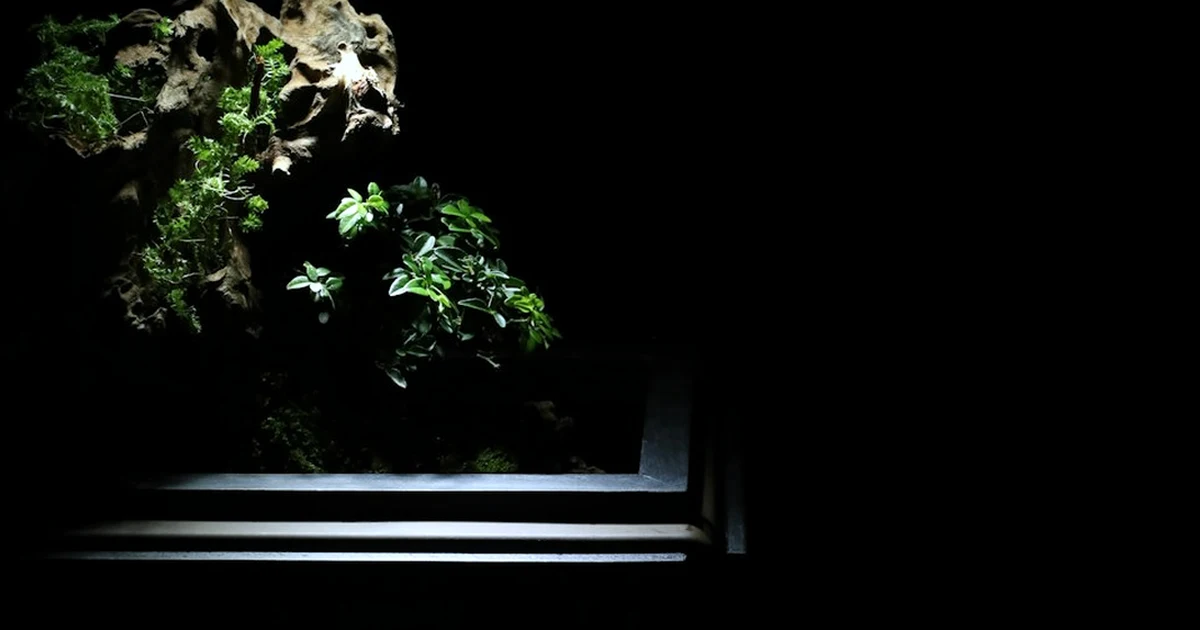
A bioactive vivarium setup prevents waste build-up only when its climate, airflow and substrate match the animal.
Bearded dragon, gecko, snake or something more demanding — we compare setups by welfare, not just price.
Species Setups
Species-led guidance for enclosures, heating, lighting, humidity and day-to-day welfare.
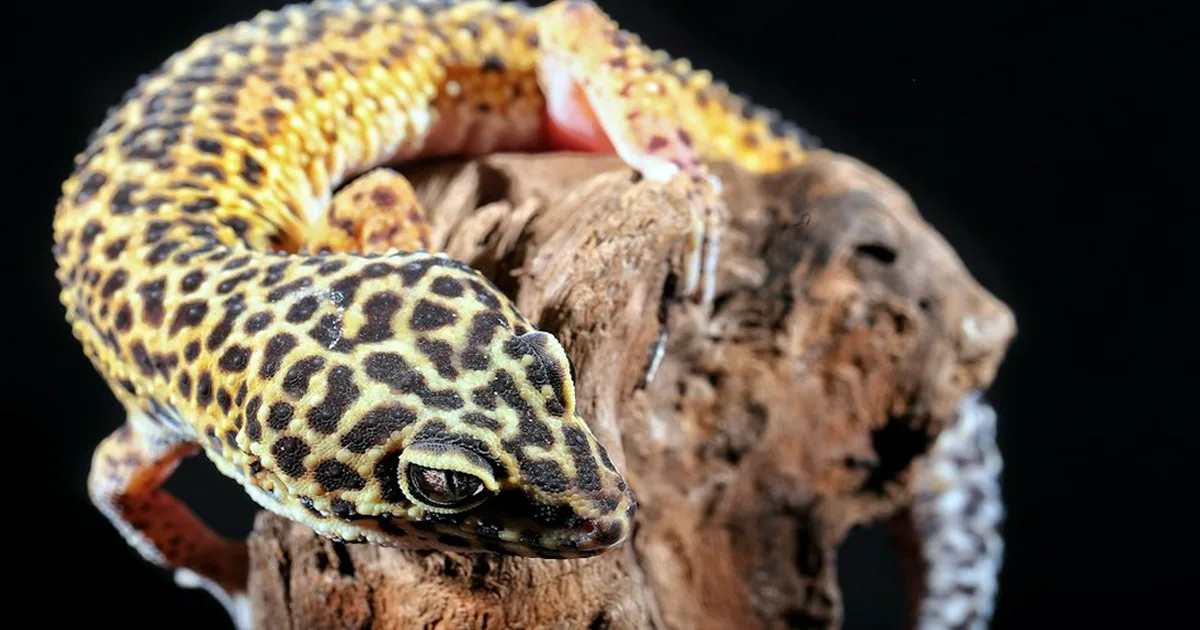
Build suitable homes for bearded dragons and leopard geckos, with measured basking zones, strong UVB provision and dry retreats. We flag common starter-kit shortcomings, including weak lamps and undersized enclosures.
Crested geckos need vertical climbing space, planted cover and controlled humidity rather than a desert-style tank. Chameleon guides explain mesh enclosure ventilation, drainage and why these reptiles challenge first-time keepers.
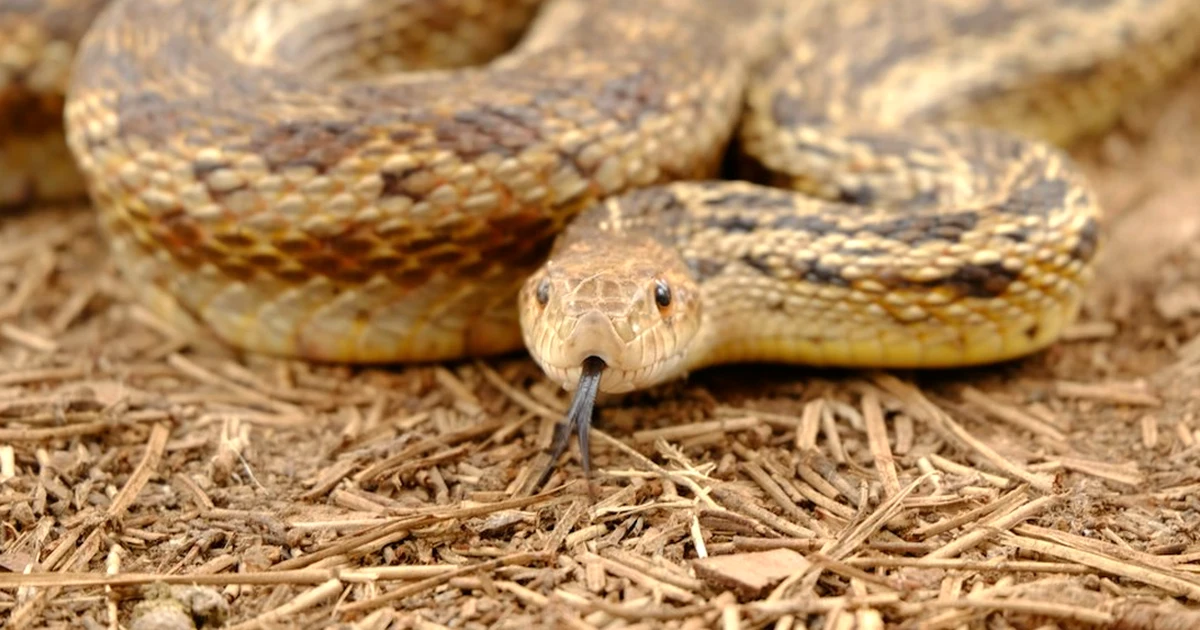
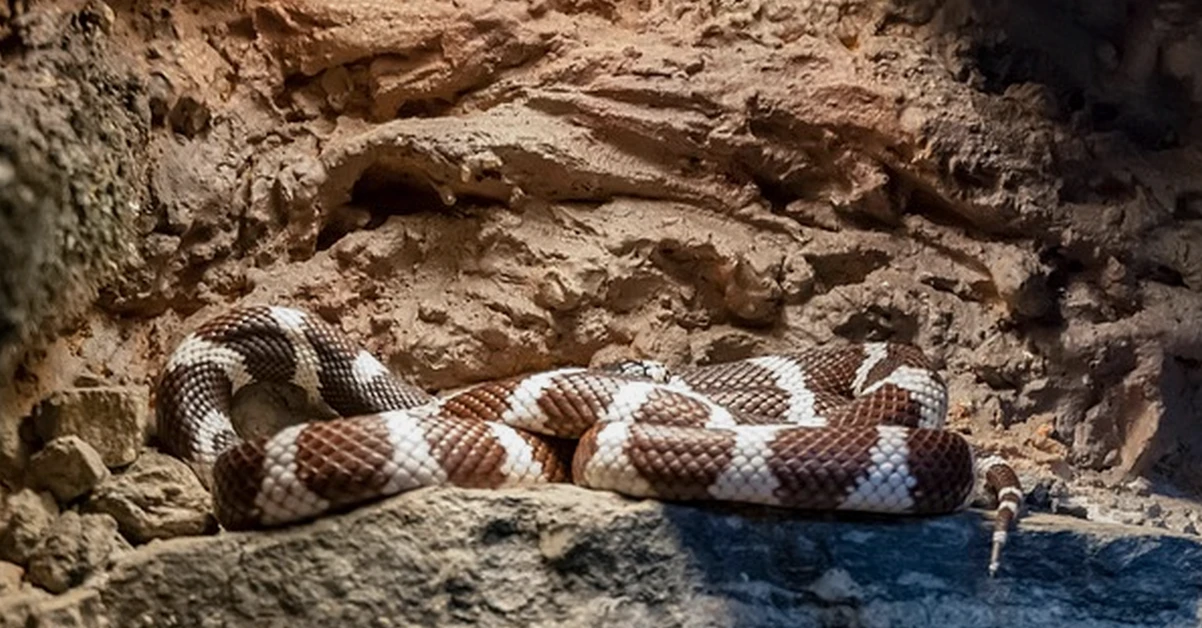
Corn snakes and ball pythons benefit from secure, uncluttered setups with snug hides at both ends of a temperature gradient. Find practical advice on thermostat use, escape prevention and reducing unnecessary disturbance.
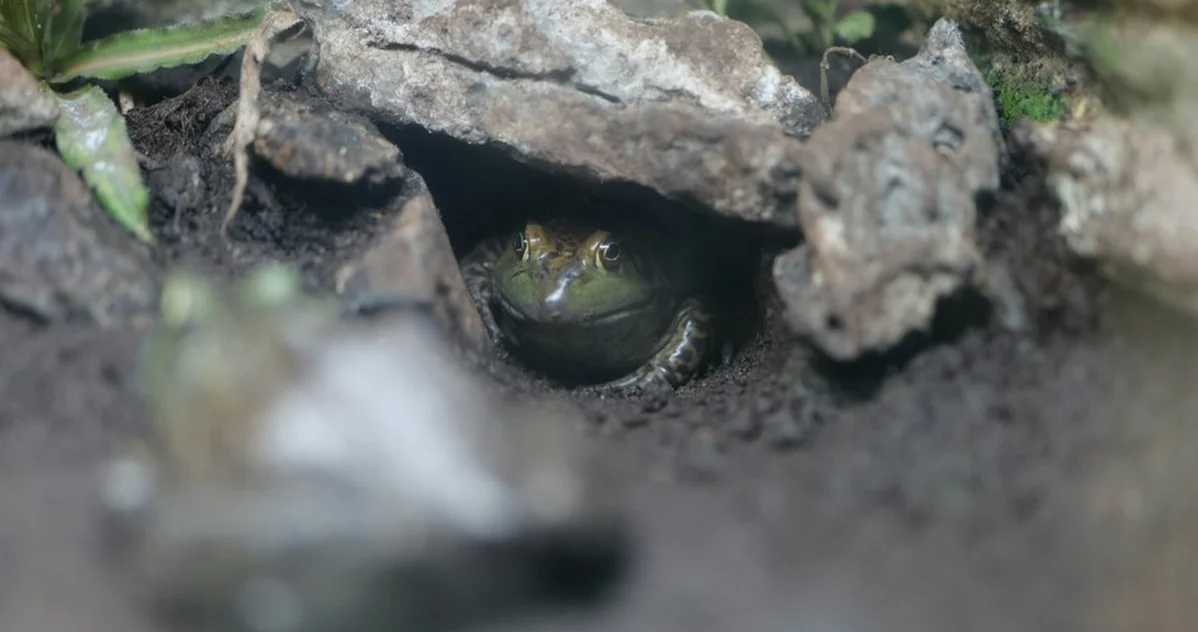
Dart frogs require humid, planted bioactive terrariums with stable conditions, not a standard reptile vivarium. Tortoise care focuses on open-topped tables, generous floor space and terrestrial lighting, distinct from aquatic turtle keeping.
A bioactive vivarium setup prevents waste build-up only when its climate, airflow and substrate match the animal.
When a tall glass tank looks roomy... Dart frog enclosure suitability depends on usable space, cover,...
2 measurements decide whether a vivarium lid fits: the inner support rim and the outer edge clearance for...
A leopard gecko starter kit prevents costly upgrades when it includes a 90cm enclosure,...
Corn snake, royal python and hognose snake care demands different heating, humidity and security choices...
No uvb bulb reptile percentage guarantees safe exposure: the right UVI at the basking point matters more...
Wooden vivarium vs glass: which enclosure suits your reptile? Choose by heat, humidity, ventilation and...
A new documentary spotlights illegal reptile trade. Learn how ethical sourcing and suitable vivariums...
Milk snake vs corn snake choices depend on the individual animal, not just the species label. Corn snakes...
Keeper Notes
Experiences from UK keepers who used the guides to make more considered husbandry decisions.
“Was the UVB tube supplied with my bearded dragon kit enough? The lighting guide explained the actual checks to make, so I replaced the weak fitting and set up a proper basking zone.”
— Hannah S., Late-20s first bearded dragon keeper, Bristol
“My corn snake kept spending every daylight hour hidden — then I added the paired snug hides described in the enclosure guide. She now moves between them calmly, rather than pressing against the glass.”
— Gareth G., Forties hobby keeper, North Yorkshire
“I nearly chose a glass tank for a chameleon... the mesh enclosure explanation stopped me before I brought one home! I started with a crested gecko instead and feel far better prepared.”
— Maya M., Teenage beginner keeper, Greater London
Keeping Questions
Clear guidance for the decisions that shape an animal’s daily conditions.
Can a bearded dragon live in a standard starter vivarium?
Many starter enclosures become restrictive as an adult bearded dragon grows, and bundled lighting may not deliver suitable UVB across the basking area. Check enclosure dimensions, UVB output, mounting position and basking temperatures before relying on a kit.
Does a crested gecko need a tall terrarium?
Yes. Crested geckos are arboreal and use height, branches and planted cover far more than open floor space. A tall, secure enclosure with climbing routes and humidity that rises and falls through the day suits their natural behaviour.
Should a chameleon be kept in a glass vivarium?
Chameleons are generally better housed in well-ventilated mesh or screen enclosures rather than sealed glass vivariums. Their care also involves carefully managed hydration, live planting, lighting and airflow, which is why they are not a straightforward first reptile.
What humidity does a dart frog terrarium need?
Dart frogs need consistently very high humidity alongside clean airflow, live plants and a functioning drainage layer. A bioactive planted terrarium supports the moisture-rich microclimate they require; a dry reptile setup does not.
Is a tortoise table the same as an aquatic turtle tank?
No. A tortoise is a terrestrial reptile that needs a large open-topped table, dry substrate, heat and appropriate UVB exposure. Aquatic turtles require deep filtered water, a basking dock and completely different equipment.
Plan With Care
Start with the species, then choose the enclosure, lighting, heating and humidity around its real needs. Browse guides written to challenge unsuitable shortcuts.
Read Setup Basics