A leopard gecko starter kit is good value only if it provides safe, controllable heat, three usable hides and enough floor space for adulthood. For an adult, choose at least a 90 × 45 × 45 cm enclosure and a heater matched to a suitable thermostat.
Table of Contents
Advertisement
Buy an adult-size, thermostatic kit
A suitable kit starts with a 90 × 45 × 45 cm enclosure and a thermostat matched to its heater; without one, a heat mat, ceramic heat emitter or basking lamp can overheat the floor or hide.
Can a baby use a 90cm vivarium?
A hatchling or juvenile can live in a furnished adult-size vivarium from the start. Add cork bark and secure plants so the gecko does not feel exposed, and offer insects no wider than the space between its eyes.
Which heater needs a thermostat?
Every heat source needs a thermostat, including a heat mat, ceramic heat emitter and basking lamp. Test the enclosure for 48 to 72 hours before collection, using separate digital thermometers to confirm that warm and cool ends differ.
Choosing a kit for a hatchling, juvenile or adult
A juvenile leopard gecko enclosure does not have to be a temporary small tank. A well-furnished 90 cm leopard gecko vivarium can suit a hatchling, juvenile or adult, provided the gecko can find covered routes, snug hides and its food easily. Small starter kits may appear cheaper, but a 45–60 cm enclosure usually becomes redundant as the gecko grows. Treat a 90 × 45 × 45 cm enclosure as an adult-size reptile enclosure and add clutter rather than buying a second setup later.
For a very young gecko, use a feeding dish where appropriate and monitor eating, droppings and body condition more closely during the first weeks.
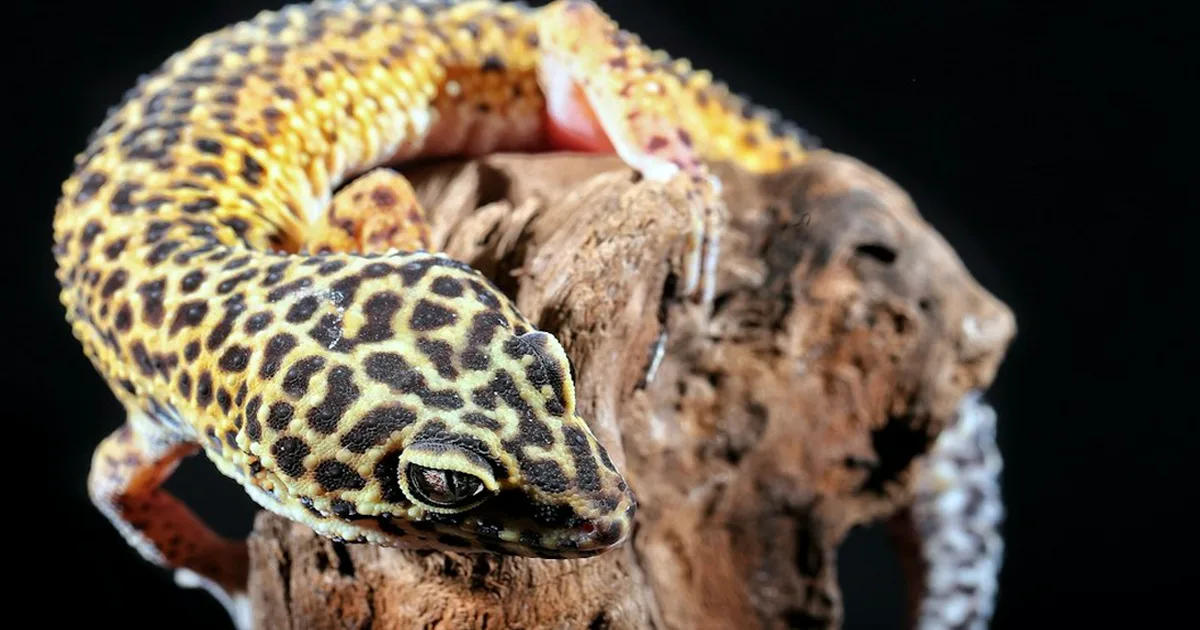
Compare replacement costs, not extras
The best reptile starter kit needs the fewest essential replacements before a gecko moves in: check enclosure size, heater, compatible thermostat, UVB setup and three hides before looking at décor.
| Bundle type | Typical UK price | Enclosure check | Immediate missing items | Verdict |
|---|---|---|---|---|
| Small all-in-one kit | £120–£220 | Often 45–60 cm long | Adult vivarium, thermostat, hides | Avoid for a first permanent home |
| 90 cm self-built bundle | £260–£450 | 90 × 45 × 45 cm | Check UVB and probe placement | Ready after testing |
| Branded 90 cm bundle, such as HabiStat-listed sets | £350–£550 | Verify listed internal size | May still need humid hide | Check each component, not the badge |
What makes a kit adult-ready?
An adult-ready kit has secure doors, ventilation, at least 90 × 45 cm of floor area, a thermostat rated for its heat source and three functional hides.
Comparing adult-size kits side by side makes it easier to reject bundles that lack safe heat control. Check the stated internal dimensions before treating included décor as value.
- Shows whether the enclosure reaches the 90 × 45 × 45 cm adult target
- Lets you check if a thermostat is included and suitable for the heat source
- Helps budget for separate warm, cool and humid hides
Is the included UVB bulb enough?
An included UVB bulb is not automatically suitable: judge it by strength, distance, coverage and access to shade.
Plan for the costs after the kit
The purchase price is only the starting point. As a planning example, a £260–£450 adult-size setup, a gecko costing roughly £40–£100 and initial insects, calcium and multivitamins can make the first outlay substantially higher than a headline kit price. Ongoing spending includes live food, replacement substrate or paper towel, supplements, electricity and periodic replacement of lamps or UVB equipment according to the manufacturer's stated service life.
Keep a separate veterinary reserve rather than assuming a starter kit budget covers illness. Costs vary with local electricity prices, feeder availability and the condition of the gecko, so a cheaper bundle is poor value if it needs immediate upgrades.
Advertisement
Set up three hides before collection
A leopard gecko enclosure is ready only when it has a measured temperature gradient and a warm hide, cool hide and humid hide.
Where do the three hides go?
Put the warm hide in the controlled heat zone, the cool hide at the far end and the humid hide where it stays easy to enter; use damp moss or paper towel, never soaking wet substrate.
Heater + warm hide
Thermostat probe fixed here
Humid hide + water
Covered route between ends
Cool hide
Digital thermometer
How should the setup be tested?
Test warm surfaces and both enclosure ends with digital thermometers over 48 to 72 hours, including the coldest part of the night.
Pre-collection kit safety checklist
Before bringing the gecko home, run the complete enclosure for 48 to 72 hours and check the same things you would inspect in a second-hand kit. Confirm that secure vivarium doors close without gaps, reptile enclosure ventilation is unobstructed and cables cannot be reached or trapped. Test thermostatic control with the probe positioned according to the heater and thermostat instructions, then verify the warm and cool ends using separate digital thermometers.
The enclosure should contain three leopard gecko hides: a warm hide, a dry cool hide and a humid hide that remains damp rather than wet. Assess whether the UVB setup provides usable shaded areas and whether every fitting is safely guarded where necessary.
What people ask
How much is a full leopard gecko setup?
A realistic first-year budget in England is often £450 to £800, including equipment, a gecko, insects, supplements, electricity and a veterinary fund.
What do leopard geckos need for beginners?
Beginners need a 90 × 45 × 45 cm vivarium, controlled heat, three hides, water, safe substrate, live insects, thermometers, UVB and supplements.
Is it better to get one or two leopard geckos?
One leopard gecko per enclosure is the safer beginner choice because cohabitation can cause bullying and unequal access to food or hides.
Can leopard geckos go four days without food?
A healthy adult may miss several days of food, but poor appetite, weight loss or a cold enclosure need attention.
Do leopard geckos need UVB lighting?
Leopard geckos can benefit from correctly chosen, low-level UVB with shaded areas; it does not replace calcium or supplements.
Can I use a heat mat without a thermostat?
No, a heat mat must be controlled by a suitable thermostat and checked separately with a reliable digital thermometer.
Is a Pets at Home leopard gecko kit enough?
A retailer kit is enough only if its enclosure, thermostat and hides meet the adult standard before collection.
What should a leopard gecko eat?
Leopard geckos eat appropriately sized live insects such as crickets, mealworms and dubia roaches where available.
Use a thermostat with every heat source, then verify temperatures with separate digital tools.
Provide a warm hide, cool hide and humid hide from the first day.
Budget for insects, supplements, electricity, replacements and exotic veterinary care, not just the kit.
Related sources
These articles can help you explore the topic in more depth:
- Lizard Starter Kits | GlobalGeckos.co.uk — globalgeckos.co.uk
- Swell Leopard Gecko Starter Kit - Gold — reptiles.swelluk.com
- Leopard Gecko Setups | Next Day Delivery — internetreptile.com
- HabiStat Leopard Gecko Starter Kit — petsathome.com
- Your leopard gecko tank may be too small for adulthood
- Why a Bigger Terrarium Tank Can Still Be Too Small

The Reptile Vivarium Team
Our guides are based on comparing specialised reptile care sources, keeper community input, and recognised husbandry guidelines — we are not vets or professional breeders, and we say so where it matters.
The information on this site is general in nature. For any concerns about the health or welfare of your reptile or amphibian, always consult an exotics vet.