Blog
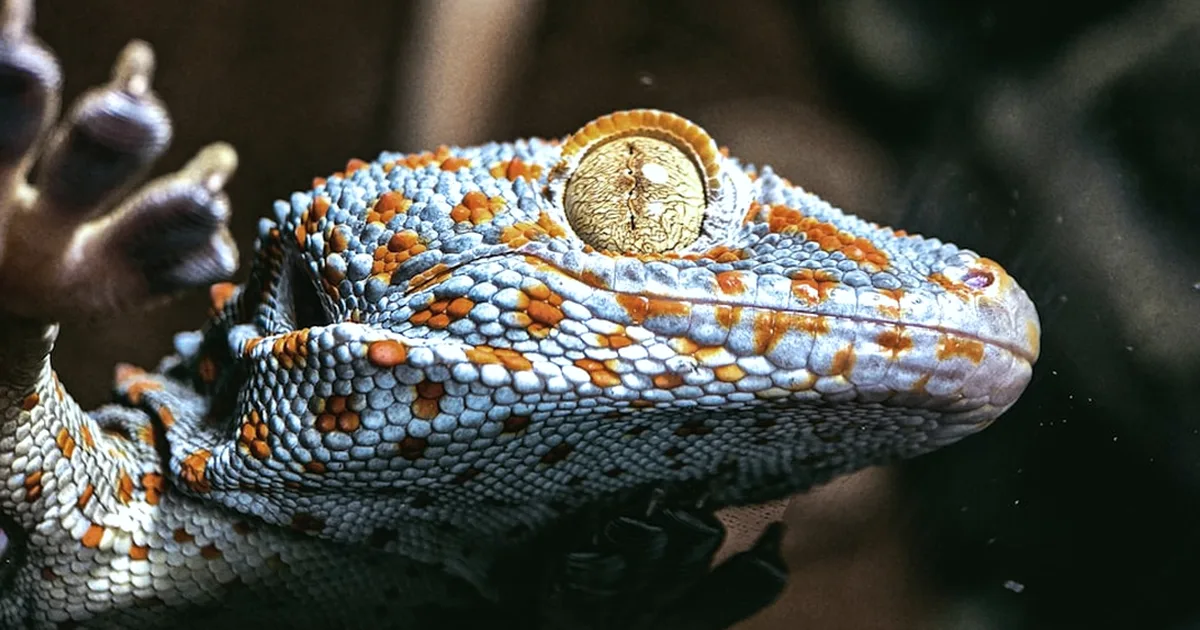
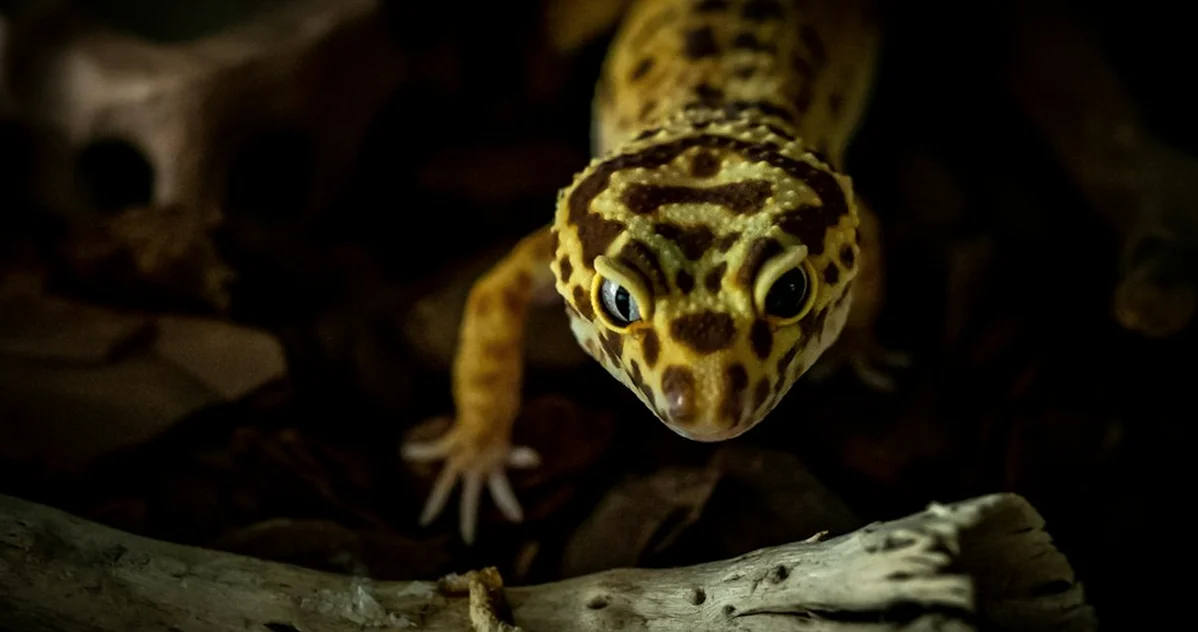
Starter kits can miss 3 leopard gecko accessories
Leopard gecko accessories create a safe, controllable home when heating, hides and monitoring come before...
Tue, 15 Sep 2026
Read more
Bearded dragon, gecko, snake or something more demanding — we compare setups by welfare, not just price.
Care by Species
Species-led guides for enclosures that support natural behaviour, stable conditions and long-term welfare.
Bearded dragons and leopard geckos need a measured basking zone, dependable UVB and a dry enclosure gradient. Learn why a heat mat alone does not meet their daytime heating needs.
Crested geckos need climbing height, cover and humidity management rather than a large empty floor. Our chameleon guides explain why screen enclosures and advanced daily care are usually required.
Ball pythons and corn snakes settle best with secure hides, suitable thermal gradients and minimal disruption. Set up enclosure space around security first, not constant visibility.
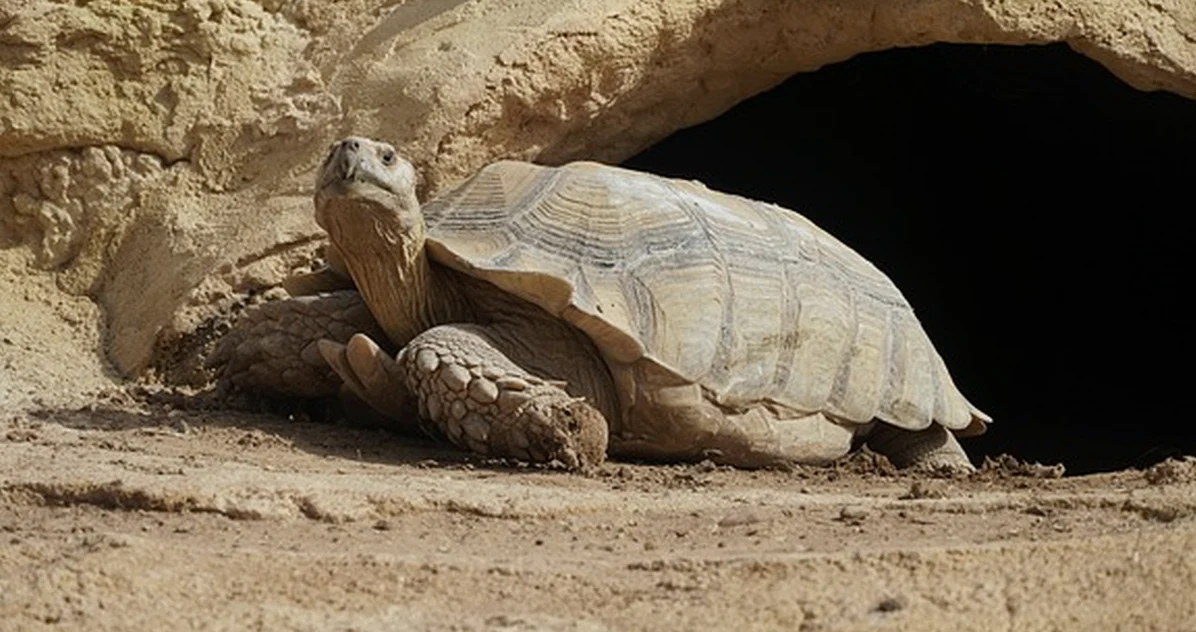
Dart frogs need planted, near-saturated humidity enclosures with conditions that support live plants. Tortoises need open-top tables, generous floor space and care plans distinct from aquatic turtles.
Leopard gecko accessories create a safe, controllable home when heating, hides and monitoring come before...
Is your crested gecko tank size tall enough for adult life? An 18×18×36 enclosure gives climbing space...
Beginner-friendly species for UK keepers only work when the adult enclosure suits the animal, not the shop display.
A tortoise heat lamp creates a safe basking area only when its temperature is measured at shell height,...
Minimum enclosure sizes and adult growth are not measured in litres: shape, adult behaviour and heat zones...
A corn snake vivarium labelled 4 ft may not offer 4 ft of usable space once doors, vents and fittings are inside.
A reptile light timer keeps UVB and daylight lamps on a steady routine, but safe heat control always needs...
Bearded dragon care for beginners starts with a tested vivarium, safe lighting and an age-matched feeding routine.
Equipment failure troubleshooting protects reptiles by separating a real electrical fault from a bad...
Keeper Notes
Experiences from UK keepers making practical welfare-led improvements.
“Could my crested gecko enclosure be too short? The height guide gave me a clear answer, so I replaced the low tank with a taller planted set-up.”
— Hannah S., Late-20s keeper, Bristol
“My starter kit's UVB tube was not producing the coverage my young bearded dragon needed — the lighting checklist showed me exactly what to measure and reposition.”
— Gareth G., Forties, first-time keeper in Cumbria
“I used the ball python hide-placement diagram before moving my rescue snake... within days, he stopped pacing the glass and began using both warm and cool hides.”
— Meera M., Experienced keeper, Greater London
Common Questions
Straightforward guidance for planning, checking and improving reptile and amphibian enclosures.
Is a chameleon suitable as a first reptile?
Usually, no. Chameleons need precise hydration routines, substantial ventilation, careful plant choices and low-stress handling, making them far less forgiving than many beginner species.
Does a bearded dragon need UVB lighting?
Yes, a bearded dragon needs appropriately specified UVB across a useful section of its enclosure, alongside a proper basking area. Fit the lamp at the correct distance, account for mesh obstruction and replace it according to the manufacturer’s output guidance.
Should a crested gecko have a tall vivarium?
Yes, height is generally more useful than extra floor area for this arboreal gecko. Provide branches, foliage, resting ledges and several routes between warm and cooler areas.
Can dart frogs live in a standard reptile terrarium?
A glass terrarium can work only if it is adapted for their humid, planted environment and provides suitable ventilation. Dart frogs require stable near-saturated humidity, live plants, drainage layers and tiny live food, rather than a sparse reptile display enclosure.
Do tortoises need a vivarium?
Most commonly kept tortoises are better housed in a spacious open-top tortoise table or a properly planned indoor area. They need considerable floor space, safe access to heat and UVB, and conditions unlike those for aquatic turtles.
Plan With Care
Check the enclosure, heat, UVB, humidity and furnishing guidance before bringing an animal home. Honest notes flag where common kits and shortcuts fall short.
Read Set-up Basics