A tortoise heat lamp should create a measured basking area at shell height, not simply make the table feel warm. The right setup depends on species, age, enclosure size and your actual room temperature; wattage alone cannot determine it. Safe daytime heat also needs separate, suitable UVB, positioned and tested properly.
Table of Contents
Advertisement
Does your tortoise need heat indoors in England?
Most tortoises kept indoors in England need a warm daytime basking area, because an open tortoise table in a British home rarely stays warm enough by itself.
Which tortoises need daytime heat?
Hermann's, spur-thighed and Russian tortoises are Mediterranean or Eurasian species that usually need a basking zone in an indoor enclosure. For many healthy adults, a shell-height basking spot of roughly 32 to 35°C is a sensible starting range, checked with a digital probe thermometer. The cooler end must stay available, rather than being heated to the same level.
When can outdoor sun replace a lamp?
A simple way to decide whether a tortoise heat lamp is needed is to start with the animal and the measured enclosure conditions, rather than buying a bulb first. A healthy adult Hermann’s, spur-thighed or Russian tortoise housed indoors usually needs daytime heat if the room cannot provide a reliable basking zone at shell height. Hatchlings, unwell animals and tropical species need more individual advice, as their acceptable temperatures may differ.
In a secure outdoor enclosure, direct natural sunlight can provide heat and UVB when weather, shelter and access are suitable, but a shaded run or cool British day may not. Check the actual temperatures in the tortoise basking area and at the cool end before deciding.
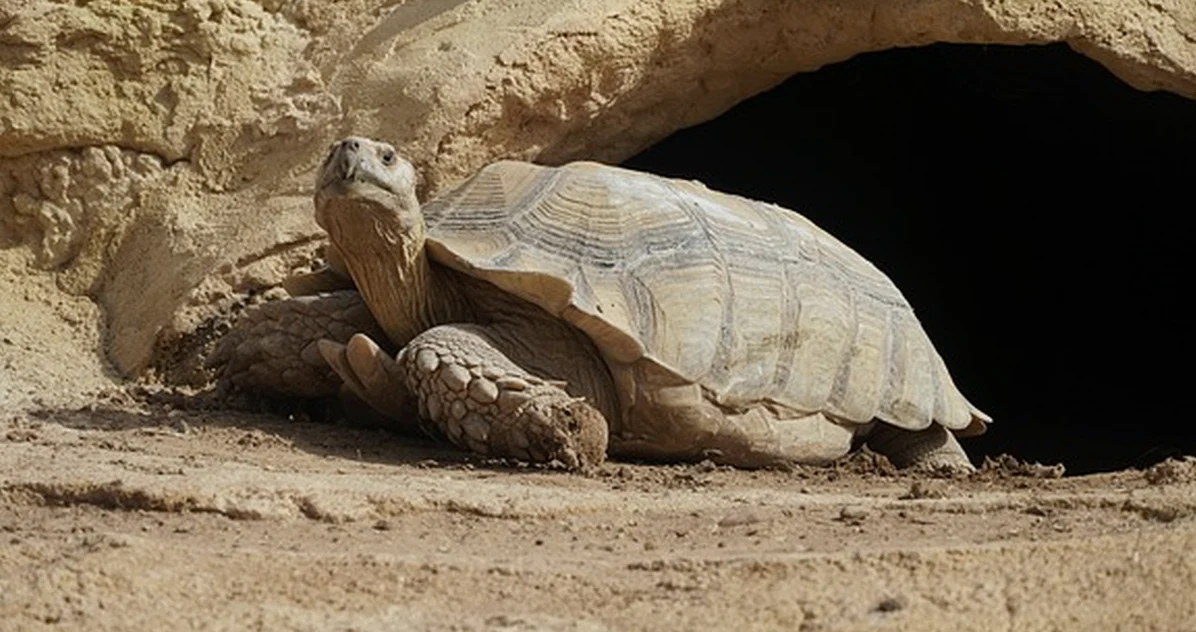
Set heat by shell-height readings, not watts
Set the lamp height and output until a probe reads the right temperature where the top of the shell will be. Wattage only tells you how much power a bulb draws, like knowing a kettle's rating without knowing how much water is inside.
Check both ends of the tortoise table
An infrared thermometer is useful for quick checks of slate, soil and the shell surface. It does not replace a fixed probe because it shows a surface snapshot, not the air temperature around the tortoise.
Choose a broad daytime heat source
| Equipment | Typical UK retail range | What it does | Key limit |
|---|---|---|---|
| Arcadia Halogen Heat Lamp flood | About £12 to £20 | Daytime heat and UVA | No useful UVB |
| Arcadia ProT5 UVB kit | About £55 to £85 | Broad UVB coverage | Needs separate basking heat |
| Exo Terra ceramic heat emitter | About £20 to £35 | Heat without visible light | Thermostat and guard needed |
| Arcadia D3 mercury vapour lamp | About £45 to £65 | Heat, UVA and UVB | Often poor spread in open tables |
A broad flood basking lamp is usually easier to tune than a narrow spotlight in an open tortoise table. Choose the fitting after checking its guard, ceramic holder and safe mounting point.
- A broad beam warms more of the shell rather than one small patch of substrate.
- A daylight lamp supports a normal daytime routine when run on a timer.
- Several wattages let you adjust for a cold spare room or a warmer lounge.
The 32 to 35°C figure is a useful basking-zone starting point for many Mediterranean tortoises, but it is not a whole-enclosure target and should not be applied unchanged to every species. Measure at shell height beneath the lamp, then confirm that the warm area falls away into a genuinely cooler end so the tortoise can self-regulate. Russian tortoises and adult Mediterranean species often use similar daytime basking ranges, whereas tropical species may require warmer background conditions as well as a basking site.
Record daytime and overnight readings with a digital probe thermometer for several days, because a spare room in winter can behave very differently from a centrally heated lounge.
Advertisement
Pair basking heat with a T5 UVB tube
A basking lamp provides warmth, while a quality T5 UVB tube normally provides the more even UVB coverage needed across an indoor tortoise table. UVB lighting helps the skin make vitamin D3, which allows the body to use calcium properly.
A lamp sold as full-spectrum may give bright visible light and UVA, but that does not prove it gives enough UVB at tortoise level. Compare the fitting distance and coverage area with the maker's instructions.
Combined bulbs and night-time heat
For a short power cut, keep the tortoise dry, protected from draughts and in an appropriately insulated temporary box only if the enclosure becomes too cold; avoid improvised hot-water bottles or unguarded heaters, which can cause burns or overheating. Before leaving your tortoise for up to 48 hours, test the timer, thermostat where one is used, lamp guard and ceramic holder, and make sure a responsible person can check the equipment if possible.
Healthy adult Mediterranean tortoises should not automatically be given night heat simply because nobody is home: the decision should be based on species and real night-time readings. Hatchlings, tropical tortoises, animals under veterinary care and very cold homes need a species-specific plan from a reptile vet.
FAQs
Does my tortoise need a heat lamp?
Most indoor tortoises in England need daytime basking heat.
What temperature should a tortoise basking spot be?
For many Mediterranean tortoises, aim for 32 to 35°C at shell height.
Can I use a combined UV and heat lamp for a tortoise?
They can suit tall enclosures, but separate heat and T5 UVB usually offer better control.
Is a clip-on heat lamp safe for a tortoise table?
Only with a guard, secondary fixing and secure mounting.
Should I leave my tortoise heat lamp on at night?
Usually not for healthy Mediterranean tortoises; check measured night temperatures first.
How long should a tortoise heat lamp be on?
About 10 to 12 daytime hours is common, usually on a timer.
Will my tortoise be alright without heat for 48 hours?
Adults, hatchlings, tropical species and ill tortoises have different risks; ask a reptile vet.
- Choose heat from shell-height thermometer readings, not the wattage on the box.
- Give indoor Mediterranean tortoises a warm basking zone and a genuinely cooler end.
- Use a separate T5 UVB tube in most open tortoise tables because heat bulbs do not supply dependable UVB.
- Prevent burns with a guard, ceramic holder, secure fixing and regular temperature checks.
- Do not add night heat by habit; base that decision on species and measured night-time temperatures.
Related sources
These articles can help you explore the topic in more depth:
- Shop Tortoise Lights | UVB Bulbs, Heat Lamps & Lighting Kits — reptiles.swelluk.com
- Heating & Lighting — tortoise-den.co.uk
- Reptile Lighting & Accessories — petsathome.com
- How Heat Lamps can Harm the Health of Tortoises and ... — tortoisetrust.com
- Why a tortoise substrate needs both dry and humid zones
- Avoid a tortoise enclosure your juvenile will outgrow

The Reptile Vivarium Team
Our guides are based on comparing specialised reptile care sources, keeper community input, and recognised husbandry guidelines — we are not vets or professional breeders, and we say so where it matters.
The information on this site is general in nature. For any concerns about the health or welfare of your reptile or amphibian, always consult an exotics vet.