Choosing UVB by box percentage or lamp wattage can leave your reptile underexposed. This can happen even with a new bulb.
Distance, reflector quality and mesh can cut UVB at the basking area. The true problem is not the bulb's label. It is the UVB that reaches your animal.
UVB lighting for reptiles and tortoises helps many species make vitamin D3 for calcium use. Wattage alone cannot determine the right lamp.
Match the measured UV Index at your animal's position to its Ferguson Zone. Give shade, use a safe mounting distance and replace lamps on time.
Table of Contents
Advertisement
Pick UVB by UVI, not the box percentage
UVI is the useful measure because it shows the UV level where your reptile actually sits.
Match the species to its Ferguson Zone
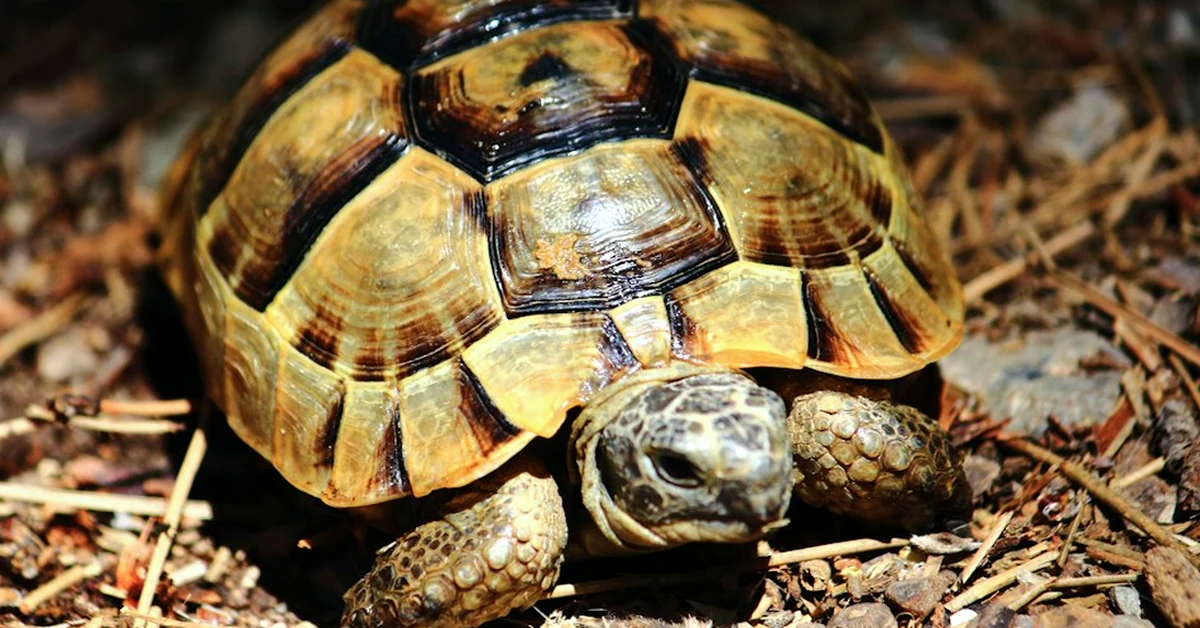
A bearded dragon, veiled chameleon and Hermann's tortoise often need higher basking UVI. A crested gecko, ball python or dart frog needs much less.
Mediterranean tortoises and day-basking lizards often suit Ferguson Zone 3 exposure. Many nocturnal, twilight-active and shade-dwelling animals need low Zone 1 or Zone 2 exposure.
Ferguson Zones are a starting point, not a fixed lamp setting for every enclosure.
| Typical group | Starting UVI band | What the enclosure needs |
|---|---|---|
| Bearded dragon, veiled chameleon | Zone 3, roughly 1.0 to 2.6 | Defined basking branch or platform, plus retreat |
| Hermann's and many Mediterranean tortoises | Zone 3, sometimes higher locally | Broad basking area and a deep shaded hide |
| Leopard gecko, crested gecko, corn snake | Low Zone 1 to 2 provision | Leaf cover, hides and no forced exposure |
| Ball python, dart frog | Usually low Zone 1 provision | Heavy shade and species-led humidity control |
Tropical tortoises and aquatic turtles need their own plan. Do not copy a Mediterranean tortoise set-up unchanged.
Forest tortoises may need lower, filtered exposure with humid cover and shade. Aquatic turtles need a dry dock for the shell and head.
Place the UVB lamp over the dry platform, not just above water. Water depth, splashing and basking posture all change the dose received.
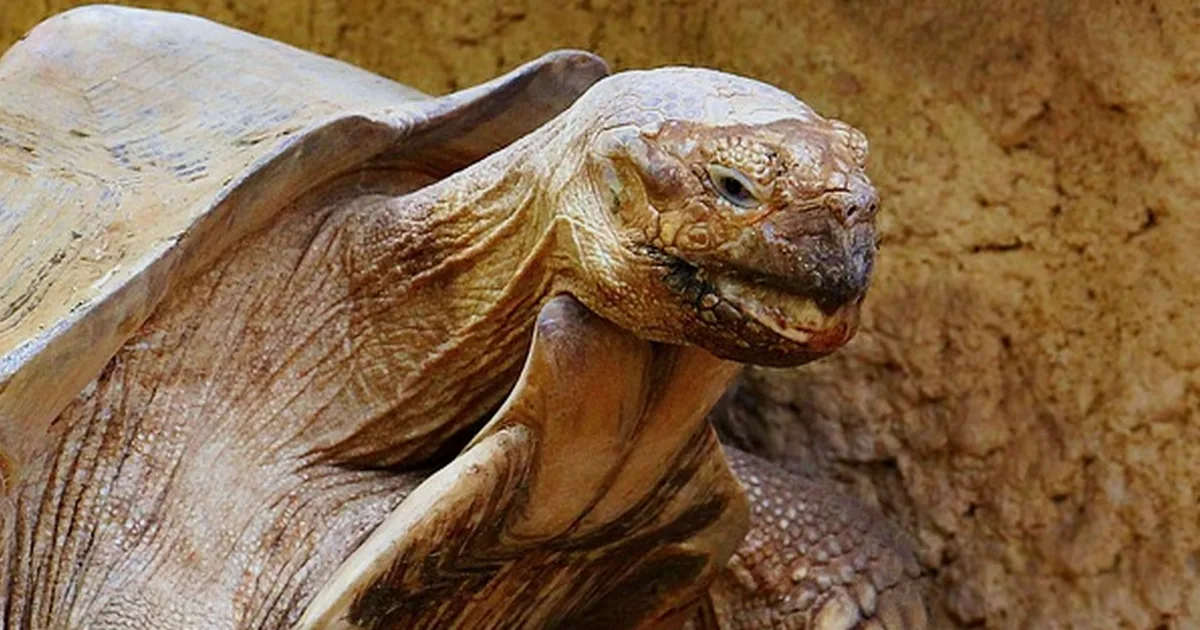
A tortoise UVB lamp should match the species, layout and basking height. Do not choose it from the animal's broad label alone.
Install for the UVI the animal receives
Mount UVB over part of the enclosure, then measure at the animal's true basking height.
Mesh changes the lamp distance
Mesh screen loss varies with wire thickness, gap size, coating and lamp angle. A fine steel lid can cut output sharply.
A maker's open-air distance may then be wrong for your enclosure. The most frequent mistake here is measuring without the final mesh in place.
1. Set the final basking surface.
2. Add the lamp, reflector and any mesh used daily.
3. Read UVI at the animal's back height, not the fitting.
4. Check that the shaded end is much lower.
5. Write down the reading, lamp date and replacement date.
Use distance ranges with caution
| Lamp arrangement | Common animal distance | Check before use |
|---|---|---|
| T5 HO tube with reflector | Often 25 to 45 cm | Tube strength, reflector and climbing height |
| Compact UVB lamp | Often 15 to 30 cm | Narrow beam and eye-level exposure |
| Mercury vapour or metal halide | Often 30 to 60 cm | Heat output, ceramic fitting and minimum distance |
Choose the lamp format for the enclosure and the target UVI. A T5 HO tube with a reflector often suits a long vivarium.
It can make a usable gradient across part of the enclosure, while the far end has naturally lower UV.
An E27 screw-fitting compact UVB lamp can suit a small, planned basking area. Check its coverage and fitting needs before buying.
Visible brightness does not prove that useful UVB remains.
Check that the holder suits the lamp and reflector. Ensure the animal cannot climb closer than the tested minimum distance.
Keep a dated lamp replacement record. This makes later checks far less confusing.
Choose separate heat, daylight and UVB jobs
A UVB tube is not always a basking heater, and a heat lamp is not always a UVB source.
Pick lamps by enclosure shape
A branded UVB lamp is easier to place safely when the maker publishes output and tested mounting guidance. Match the fitting length to the enclosure before comparing percentages.
A linear tube can make a measured UVB gradient in a longer vivarium. A reflector sends more useful light towards the planned basking surface.
Published replacement guidance helps you avoid judging a lamp by brightness alone. However, this is only useful if the lamp sits at the tested distance.
Replace lamps before they look dead
Visible light can stay bright after UVB output falls. Follow the tested lamp and ballast replacement period instead.
Many common reptile lamps need replacement between 6 and 12 months. Do not wait for the lamp to fail.
UVB helps vitamin D3 synthesis, but it is one part of the system. UVA supports normal colour vision, activity and feeding behaviour.
Bright daylight helps create a clear day and night rhythm. Heat is a separate need.
Heat lets many reptiles reach their preferred body temperature for digestion and basking. A normal heat lamp may give little or no useful UVB.
A mercury vapour lamp can give heat, visible light and UVB. It still needs the right basking height and a safe ceramic fitting.
It also needs a large shaded retreat. Judge each lighting job separately.
Avoid the costly UVB mistakes
The safest set-up gives a species-suited measured UVI, a timed day cycle and permanent shade.
Check claims before buying
Generic lamps marked "UVA/UVB" are not always unsafe. But vague claims should not guide an animal's welfare.
Avoid lamps without independent output data, a stated beam pattern or mounting distances. You cannot safely judge them from wattage alone.
Eye irritation needs prompt action. Persistent eye closing, basking avoidance or skin changes also need review and veterinary advice.
High-UVB desert advice can harm animals that naturally live in shade.
Common questions
The questions below cover details often missed before purchase.
What UVB light is best for tortoises?
A tortoise needs a proven lamp system with the right measured UVI at basking level. Mediterranean tortoises often need stronger provision than forest species.
They also need a large shaded retreat.
Do tortoises need UVB lamps indoors?
Indoor tortoises usually need suitable UVB for vitamin D3 synthesis and calcium use. Safe outdoor sunlight can help, but window glass blocks UVB.
Supervision is still needed.
What UVB wattage should I use for a tortoise?
Wattage alone cannot show whether a tortoise gets the right UVB dose. Check UVI, reflector, distance, mesh loss and final shell height.
Does mesh block UVB for reptiles?
Mesh can cut UVB enough to change the needed lamp distance. Loss differs between lids, so measure through the actual screen.
Do not guess.
How long should reptile UVB lights stay on?
Many indoor set-ups use a timer for about 10 to 12 hours each day. Adjust this for the species, season and veterinary plan.
Keep shade available throughout the day.
Can a heat lamp replace a UVB bulb?
A heat lamp cannot replace UVB unless testing confirms it gives the required UVI. Most heat lamps need a separate UVB source and thermostat control.
- Choose by measured UVI at animal height, not wattage or packaging percentage.
- Use Ferguson Zones as a species-led starting point, then give shade and choice.
- Allow for reflector, distance and mesh before trusting box instructions.
- Give UVB, heat and daylight separate jobs, then replace lamps on time.
Advertisement
Further reading
If you want to learn more about this topic, these sources may interest you:
- A higher UVB bulb can give your reptile less UVI
- Reptile Bulb Wattage: Choose Safe Heat for Your Vivarium

The Reptile Vivarium Team
Our guides are based on comparing specialised reptile care sources, keeper community input, and recognised husbandry guidelines — we are not vets or professional breeders, and we say so where it matters.
The information on this site is general in nature. For any concerns about the health or welfare of your reptile or amphibian, always consult an exotics vet.