Choose enclosure space by how your animal moves, rests and thermoregulates. Do not choose it by what looks impressive in a shop display.
Arboreal, terrestrial and semi-aquatic layouts are not interchangeable. Height, floor area, ventilation and water depth must suit the species.
Table of Contents
Advertisement
Choose space by behaviour, not tank litres
Choose a layout that gives your species usable territory. Terrestrial vivariums need continuous floor space. Arboreal vivariums need safe, climbable height. Semi-aquatic paludariums need separate land and water zones.
The animal must be able to use the whole enclosure.
Terrestrial layouts: floor comes first
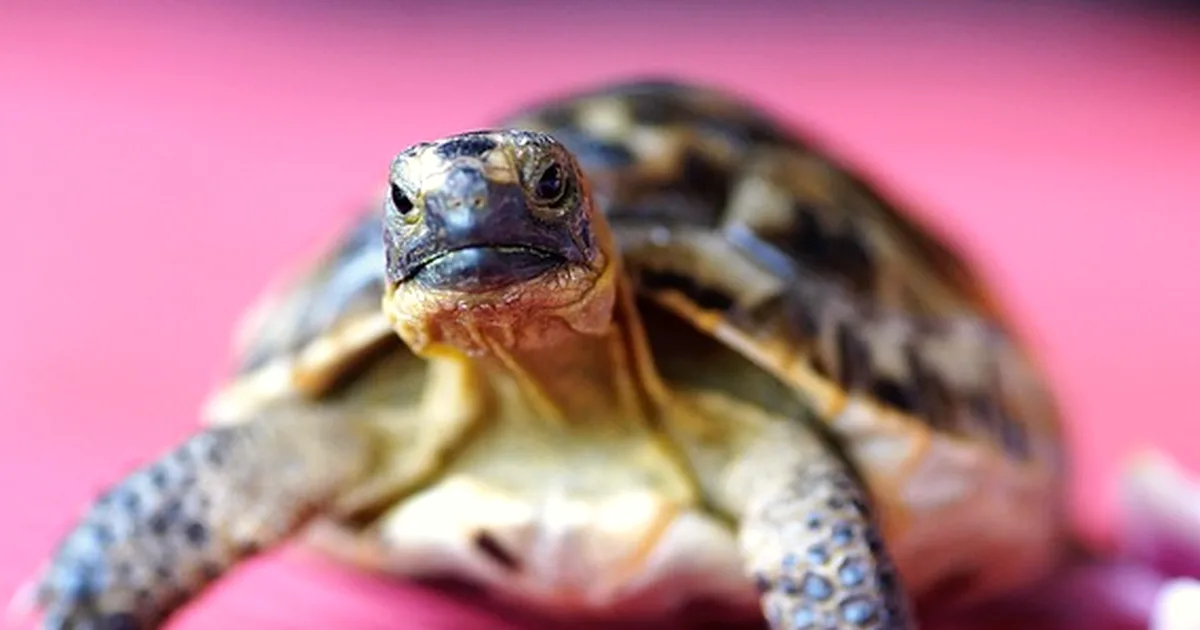
Bearded dragons, leopard geckos, many ground-dwelling snakes and Mediterranean tortoises need a broad, clear footprint. For an adult bearded dragon, 120 × 60 × 60 cm is a practical UK starting point.
Extra height does not replace the needed 120 cm length. That length allows walking, basking and retreating.
Arboreal layouts: height must be usable
Crested geckos use height because they can grip and jump between branches. A tall enclosure works only with firm, linked climbing routes.
It also needs leaf cover and resting places at different levels. The animal should reach food, water and cover without repeated leaps across open glass.
Paludariums: water is not a bonus
A semi-aquatic enclosure needs dry land and clean water. Deep water with steep sides can be dangerous for terrestrial reptiles or juveniles.
It can also endanger an animal weakened during ecdysis, the process of shedding skin. Many species need humidity and shallow drinking water, not a swimming pool.
Water should solve a species need, not a design wish.
Compare layouts before buying a vivarium
The best layout is one your animal can use every day. It is not the layout with the highest advertised capacity.
| Layout | Useful shape | Water and airflow | Typical UK setup cost | Poor fit for |
|---|---|---|---|---|
| Terrestrial Bearded dragon, leopard gecko, many snakes | Long footprint. Adult dragon: 120 × 60 × 60 cm minimum starting point. | Water dish for most species. Cross-ventilation and a clear temperature gradient. | £280 to £650 for enclosure, thermostat, heat, UVB where needed, hides and monitors. | Species needing sustained climbing height or aquatic filtration. |
| Arboreal Crested gecko, some arboreal snakes | Tall front-opening tank. Usually 45 × 45 × 60 cm or larger for one adult gecko. | Fresh airflow with controlled humidity. Branches must hold the animal's full weight. | £220 to £550 with lighting, plants, cork and climbing structures. | Heavy, active terrestrial lizards needing long runs. |
| Semi-aquatic Species proven to need land and water | Separate land shelf and water section. Size follows the named species. | Filtered water, drainage, escape ramps and accessible maintenance points. | £450 to £1,200+ with filtration, waterproofing and hardscape. | Beginners choosing water mainly for a waterfall effect. |
A simple visual layout test
Hot end → open floor → cool hide
Prioritise length and depth.
Low cover → branches → feeding ledge
Prioritise linked height.
Dry refuge → shallow ramp → water
Prioritise safe exits.
Use a decision matrix before comparing litres or choosing a cabinet. A terrestrial vivarium should give almost all usable space to dry, continuous floor.
Use height for basking, hides and enrichment, not to replace walking room.
An arboreal vivarium needs enough climbable height for several resting levels. Its key measure is secure, linked routes between those levels.
A semi-aquatic paludarium needs species-led water volume and depth. Do not copy a decorative land-to-water ratio.
Record space for a dry refuge, thermal gradient and feeding area. Also record filtered water access and cross-ventilation where needed.
Treat aquascaping as a way to guide safe movement. It does not allow you to fill every visible space.
The rule of thirds can place a branch, rock or planted mound off-centre. This creates a focal point without blocking the only basking area or door.
Keep the foreground lower than the rear structure. This creates visual depth while preserving sightlines to exits, food ledges and hides.
In arboreal layouts, make branches into routes before making a composition. In terrestrial layouts, hardscape should frame continuous floor space.
Every feature needs a clear purpose.
Every decorative feature should leave a secure refuge. It should also leave a route for cleaning, checks and safe animal removal.
Build heat, UVB and airflow before décor
Fit life-support zones before adding plants, waterfalls or costly background panels.
Check the real UVB distance
UVB lighting helps suitable species make vitamin D3. Vitamin D3 supports calcium use in the body.
The lamp must suit the species and sit at the right distance. It must not shine through blocking glass.
Leave shade near the basking point. Check the target UV Index and placement against recognised species guidance.
Do not trust a starter-kit box alone.
Use humidity without stale air
Humidity control means managing water in the air. It does not mean spraying until the glass stays wet.
Arboreal geckos may need misting and planted cover. They also need air exchange.
Wet substrate and poor ventilation can create damp, mould-prone surfaces. That is not a healthy humidity cycle.
Choose heat sources by the animal
A heat lamp suits daylight-basking reptiles. It creates a focused warm area.
Ceramic emitters or radiant heat panels can give heat without light. Use them only where they suit the species.
Guard every heat source and control it with a thermostat. Test the full setup for 24 to 48 hours before introducing the animal.
Heat, light and airflow must work together.
Make water features safe and maintainable
A water feature belongs only where the species benefits from it. The animal must also leave it without effort.
Design a safe land-to-water edge
Build a gradual ramp from cork, textured rock or fixed background material. Give the animal more than one clear exit to dry land.
Water depth must suit the named species, body size and proven swimming behaviour. There is no safe generic “50:50 paludarium” rule.
Plan filtration, weight and access
One litre of water weighs about one kilogram. A 60-litre water section can make a finished paludarium weigh 100 to 180 kg.
That total includes glass, wet substrate, rocks, filtration and cabinetry. Test waterproofing and check every seal.
Make drip loops in all cables. Make sure you can remove filter media without taking apart the land section.
A pretty water feature can become a cleaning trap.
A semi-aquatic kit can save time if its land section suits your exact species. Check the doors, water depth, filtration and escape ramps before planting.
- Helps compare tanks with front access for cleaning filters and changing water.
- Shows options with a dry land shelf separate from the water area.
- Makes it easier to check dimensions before buying heavy glass and cabinetry.
Avoid display-led cohabitation
Do not mix reptiles, amphibians and fish because a paludarium looks empty. Mixed housing raises waste, disease and competition risks.
Animals may prey on each other. They may also need incompatible temperatures.
Separate housing and quarantine are usually safer. This matters most when feeding, parasite control or environmental needs differ.
Build land and water as separate systems that you can service. A raised land shelf or bonded divider stops substrate sliding into the water.
A drainage layer beneath planted areas helps keep the dry refuge dry. It stops roots and surface water from soaking that area all the time.
Choose plants that tolerate moisture at the water edge. Place roots, cork and rock away from filter intakes and access doors.
Keep every service point reachable after planting.
In a planted semi-aquatic paludarium, keep drainage, seals and cable routes visible. You must be able to inspect them after planting.
A modest build may use cork, expanding foam, aquarium-safe silicone and easy plants. More complex builds add a false bottom, pump and hidden plumbing.
Those additions raise both cost and maintenance time.
Frequently asked questions
What is the golden rule in aquascaping?
The Golden Rule puts animal welfare before the focal point. Use the rule of thirds for a branch or rock, but keep hides and dry land intact.
Keep safe exits and cleaning access too.
What is the difference between a vivarium and a paludarium?
A vivarium is a controlled enclosure for living organisms. A paludarium includes both land and water.
A paludarium needs waterproofing and drainage. It usually needs more maintenance than a dry terrarium.
What is a semi-aquatic terrarium called?
A semi-aquatic terrarium is commonly called a paludarium. It suits only species that need dry land and safely managed water.
Can a bearded dragon live in a tall vivarium?
A bearded dragon needs a long, deep enclosure before extra height. A 120 × 60 × 60 cm enclosure gives a useful starting footprint.
A tall, narrow tank restricts its temperature gradient.
How deep should water be in a paludarium?
Water depth must match the specific species and its proven swimming ability. Provide at least two textured exits from the water.
Avoid deep, smooth-sided water for terrestrial reptiles.
- Measure usable floor, climbing routes and dry refuge before comparing tank litres.
- Buy heating, thermostat, UVB and monitoring equipment before visual upgrades.
- Choose a paludarium only when water serves the species. It must be safe to exit and easy to clean.
- Plan filters, cables, drainage and all loaded weight from day one.
Advertisement
Choose the simpler safe layout
Choose the simplest enclosure that fully meets the species’ needs. For most beginners, this means a correctly sized terrestrial vivarium for a ground reptile.
For a suitable gecko, it means a planted arboreal vivarium. It does not usually mean a complex semi-aquatic display.
Related sources
These articles can help you explore the topic in more depth:
- Paludariums — exo-terra.com
- Paludarium Setup Guide and Tips: Plants, Fish and Reptiles — reptilecentre.com
- Zoo Med Paludarium system - building a home for aquatic ... — coasttocoast.co.uk
- Paludarium 101: Creating a Thriving Semi-Aquatic Paradise — terrariumtribe.com
- Don't mistake 18×18×24 for an adult crested gecko tank
- Animal Rights Week and the Right Reptile Vivarium

The Reptile Vivarium Team
Our guides are based on comparing specialised reptile care sources, keeper community input, and recognised husbandry guidelines — we are not vets or professional breeders, and we say so where it matters.
The information on this site is general in nature. For any concerns about the health or welfare of your reptile or amphibian, always consult an exotics vet.