Many fish foods are suitable for amphibians only when size, movement and nutrition fit the animal’s mouth and life stage. Food that keeps fry alive may be too small for a juvenile axolotl. It may also be too rich for routine feeding or ignored by a terrestrial frog.
The best amphibian live foods match prey size and movement to the animal, not the tub label. Microworms and newly hatched brine shrimp suit tiny larvae. Daphnia, grindal worms and earthworms suit larger feeders. Keep two cultures running, gut-load suitable prey, and never feed bloodworm as the sole diet.
Table of Contents
Advertisement
Choose live food by mouth, stage and hunting
Choose food that the amphibian can see, catch and swallow safely.
Match prey to the animal, not its label
Tiny new larvae often manage microworms, vinegar eels or newly hatched brine shrimp. These are tiny moving foods, like crumbs drifting through water. Larger larvae and small African dwarf frogs may take daphnia. Juvenile axolotls often move to small earthworm pieces and whole worms as their mouths grow.
The right prey should fit easily inside the mouth.
Tadpoles are not small carnivores
Tadpole feeding depends on species and stage, so a useful prey choice also considers where the amphibian feeds. Very small aquatic larvae can start with microworm cultures, vinegar eels or newly hatched brine shrimp. Give small amounts so food does not foul the water. Daphnia and copepods suit many larger aquatic larvae and small African dwarf frogs. They stay visible in the water column.
Juvenile axolotls and larger salamanders need larger prey as they grow. Suitable choices include chopped or whole clean earthworms.
Tadpoles vary widely. Many graze or sift plant and detritus-based foods before later stages. Do not automatically treat aquatic larvae as carnivores. Flightless fruit flies suit froglets and terrestrial frogs that hunt on land.
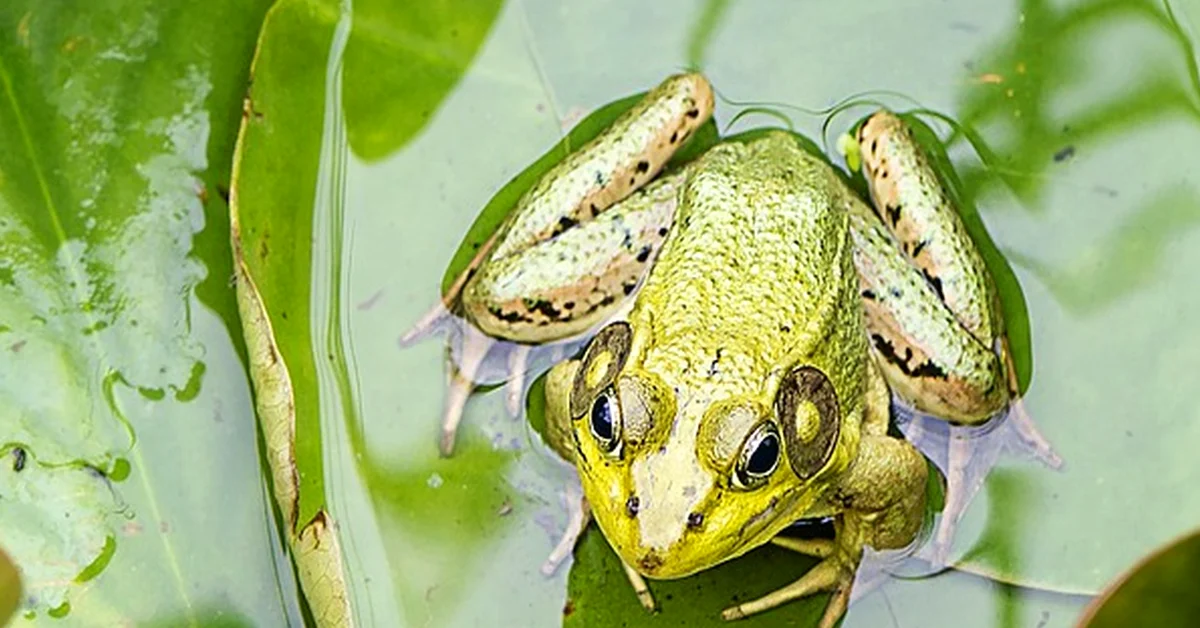
Aquatic hunters need visible moving prey
Aquatic amphibians need food that stays visible long enough to trigger feeding.
Bloodworm and tubifex need limits
Bloodworm is useful in a rotation, but it is not a complete diet. Many amphibians accept it eagerly. Feeding it as the only staple reduces dietary variety. It can also create a fussy feeder that rejects better foods.
Food must move in the right place
Judge portion size by feeding response, body condition and water quality. Do not use a fixed prey number. Newly feeding larvae may need tiny live foods once or twice daily. They have little reserve and cannot manage large meals.
Growing juvenile axolotls and salamanders usually do best with small, regular meals. Use prey of the right size. Reduce the amount if food remains. Also reduce it if the abdomen stays noticeably full.
Adult terrestrial frogs and African dwarf frogs usually need less frequent, measured meals. Adjust feeding for activity, season and body condition.
Water quality often reveals an oversized meal.
A practical rotation may use earthworms as the main food for suitable axolotls. Alternate daphnia, bloodworm and other suitable prey. Do not repeat one rich item every day. Remove uneaten prey where practical. Reduce the next portion if water turns cloudy or waste builds up.
Advertisement
Build two cultures before larvae need food
Run two dated cultures of each essential prey. Start them roughly 7 to 10 days apart.
A culture rotation that stays useful
Harvest only a modest number of adults or worms each time. Leave enough breeders for the next cycle. Start a replacement culture before output falls. Most fruit-fly cultures are most useful for only a few weeks after strong production begins.
A younger culture protects your feeding routine.
Compare cultures before buying stock
| Culture | Prey size | Smell and space | Best amphibian use |
|---|---|---|---|
| Microworms | Tiny larvae | Low space, can smell if wet | Very small aquatic larvae |
| Daphnia | Small aquatic prey | More water space, low odour | Small aquatic juveniles |
| Flightless fruit flies | Small land prey | Small tubs, mild yeasty smell | Froglets and dart frogs |
| Earthworms | Medium to large | Cool box, low smell if clean | Axolotls, salamanders, large frogs |
Flightless fruit-fly cultures are a sensible first buy for small terrestrial frogs. They give moving prey without loose crickets hiding in a planted vivarium.
- Offers a manageable prey size for froglets and many dart frogs
- Allows two staggered tubs in very little shelf space
- Makes gut loading easier before feeding selected adults
For a reliable home supply, start cultures before your animals need them. Label each container with its start date. Keep microworm cultures in shallow, ventilated tubs with a suitable cereal-based medium. Harvest worms from the sides using a clean brush or finger. Restart the culture when its medium becomes wet, dark or sour.
Daphnia need aged, dechlorinated water, gentle light and careful feeding. Overfeeding often causes cloudy water and culture crashes.
Flightless fruit flies need a ventilated pot and fresh medium. Add dry paper or excelsior for climbing space. Move adults to a new pot before the old one declines. Keep tools separate and remove mouldy cultures promptly. Keep a younger replacement culture before heavy harvesting.
Avoid dirty sources and one-food diets
A controlled culture is safer than random wild collection. It still needs good hygiene.
Rotate prey rather than chasing one staple
Rotate two or three suitable foods across the week. An axolotl may eat earthworms as its main food. Offer daphnia or other suitable items for variety. A terrestrial frog may alternate fruit flies, small crickets and occasional worms.
A varied rotation reduces the risk of nutritional gaps.
Quarantine food and clean the tools
Keep new cultures away from the vivarium for several days. Check for mites, mould and unusual die-off.
Frequently asked questions
What is the easiest live food culture?
Flightless fruit flies are often easiest for small terrestrial frogs. Microworms are simpler for tiny aquatic larvae. Neither suits every species, so match prey movement and size first.
Can axolotls live on bloodworm alone?
No, bloodworm should not be an axolotl’s sole diet. Use it as occasional variety with appropriately sized earthworms. Match the plan to the animal’s age.
How often should I feed African dwarf frogs live food?
Adult African dwarf frogs commonly need measured meals two to four times weekly. Adjust this for size and body condition. Remove uneaten food after 15 to 20 minutes to protect water quality.
Are wild garden worms safe for salamanders?
Wild garden worms are unsafe if the ground may hold pesticides, fertiliser or pollution. Use a known clean source or captive-kept worms instead.
Advertisement
A practical feeding plan for this week
Start with one main culture and one backup. Your amphibian must be able to hunt both.
- Choose live prey by mouth size, movement and feeding habitat, not aquarium labels.
- Keep two staggered cultures or a reliable backup source for vulnerable larvae and selective feeders.
- Use bloodworm and similar foods in rotation, never as the only answer.
- Reject wild or poorly sourced prey where pesticides, parasites or dirty water are possible.
Related sources
These articles can help you explore the topic in more depth:
- Live Bagged Fish Food — aquamania.co.uk
- EASY live food cultures - Photos, Videos & Journals — forum.aquariumcoop.com
- Amphibian Food - Garden Wildlife — gardenwildlife.com
- Shop Food for Frogs & Amphibians | UK Delivery — reptiles.swelluk.com

The Reptile Vivarium Team
Our guides are based on comparing specialised reptile care sources, keeper community input, and recognised husbandry guidelines — we are not vets or professional breeders, and we say so where it matters.
The information on this site is general in nature. For any concerns about the health or welfare of your reptile or amphibian, always consult an exotics vet.