A leopard gecko may be only 18–28 cm long, including its tail, but it needs far more than its body length to live well. Plan for enough floor space to create a proper warm-to-cool temperature gradient and provide several secure hides, rather than choosing a vivarium that is simply longer than the gecko.
How big does a leopard gecko get? Adults usually reach 18–28 cm (7–11 inches) and commonly weigh 45–100 g. Males are often heavier with broader heads, yet genetics, age and body condition matter more than sex alone; weight should be assessed alongside tail shape, appetite and activity rather than as a diagnosis by itself.
Table of Contents
Advertisement
Adult leopard gecko size: length and weight
Adult size should be judged using total length, weight and body condition together.
Total length is not body length
Most size guides mean total length, measured from the nose to the tail tip. A 25 cm adult may have a body of only about 12–14 cm before the tail begins. Snout-to-vent length is that shorter body measurement, from the nose to the vent, and it is useful for research but less often used by pet keepers.
A useful adult weight range
Most settled adults fall between 45 and 100 g, with many pet geckos sitting somewhere in the middle. A 55 g female and an 80 g male can both be in good condition. Their build, feeding history and trend over time tell more than a single reading.
To make a leopard gecko growth chart meaningful, measure in the same way each time. Record leopard gecko length from nose to tail tip only when the animal is relaxed; never pull or straighten the tail. For leopard gecko weighing, place a small tub on digital kitchen scales, tare it, then weigh the gecko at a similar time of day, ideally before feeding. Compare leopard gecko size by age with its own previous records, not only a chart.
A leopard gecko adult weight figure is useful context, but regular records show whether young leopard gecko growth is progressing and whether a change in weight needs closer attention.
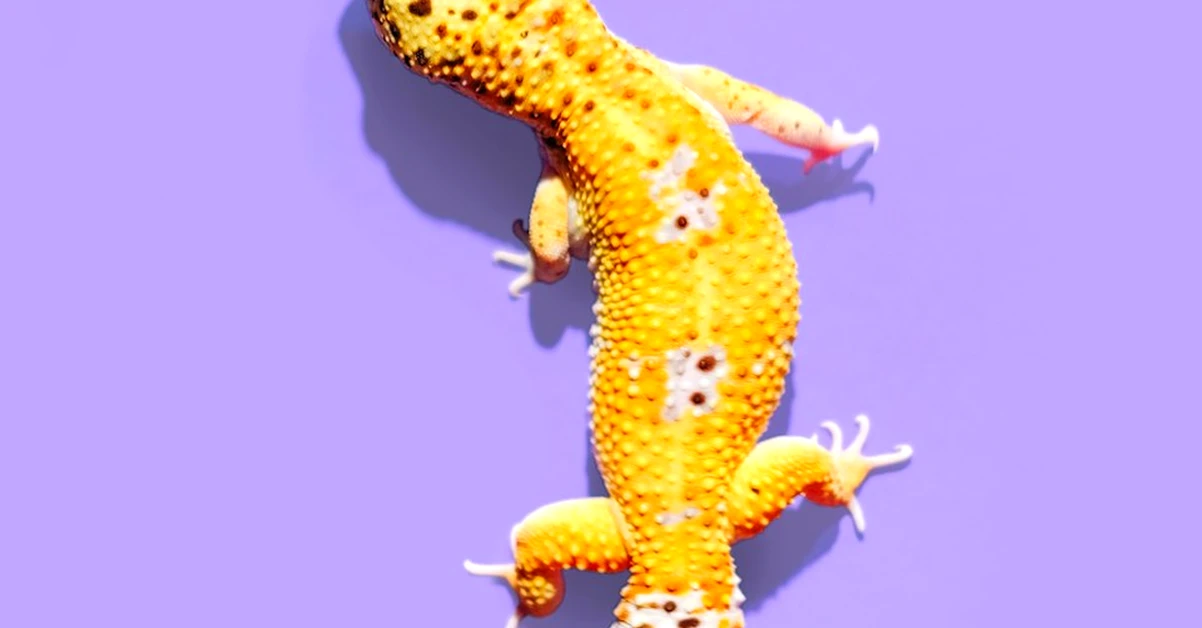
Growth chart by age and development
Leopard geckos grow fastest in their first year, although individual development varies.
Broad age and size guide
Use this table as a record-keeping guide, not as a pass-or-fail chart. Hatchlings from different breeding lines can begin at different sizes, and a small adult is not automatically an ill adult.
| Age | Approx. Total length | Guide weight | Typical change |
|---|---|---|---|
| 0–3 months | 7.5–12.5 cm | 3–15 g | Frequent sheds and rapid weekly growth |
| 3–6 months | 12.5–17.5 cm | 15–35 g | Stronger feeding routine and broader body |
| 6–12 months | 17.5–23 cm | 30–60 g | Growth slows; adult proportions emerge |
| 12 months plus | 18–28 cm | 45–100 g | Mature build, with possible further filling out |
Record the trend, not one weigh-in
Write down the date, weight, shed, appetite and droppings each time you weigh your gecko. A notebook works well. Think of it like checking a child’s height marks on a door frame: the direction of travel matters more than one mark.
Reasons growth can differ
Comparing specialised care guides and keeper records, the recommendation that repeats is simple: track the individual animal against its own previous weights, especially during the first 6–12 months. That approach catches a genuine decline without forcing every gecko towards the same adult figure.
Advertisement
Why healthy adult sizes differ
Sex, genetics and condition all affect the build of a healthy adult.
Males, females and genetics
Adult males are often broader through the head and body, and may weigh more than females of the same length. This is sexual dimorphism, which means the two sexes can develop different adult shapes. It does not mean every male will outgrow every female.
Read body condition carefully
A well-conditioned gecko normally has a tail that is rounded but not balloon-like, with filled limbs and no sharply sunken hips. The spine should not look like a raised ridge through the back. These visual checks add context to the scale.
Book a reptile-experienced exotic vet if weight falls consistently, the tail thins, diarrhoea persists, shedding repeatedly sticks, or the gecko becomes unusually inactive. Loss of appetite plus weight loss deserves quicker attention than either sign alone.
Choose a vivarium by zones, not length
An adult enclosure must provide usable temperature zones, hides and open floor space.
A realistic adult vivarium size
For one adult, 90 × 45 × 45 cm is a practical minimum baseline if it is laid out well. A 120 × 60 × 60 cm enclosure gives a more forgiving temperature gradient and more room for cork, rocks and visual cover. Width and floor area matter more than extra height because leopard geckos are mainly ground-dwelling.
Hides and heat need floor space
A correct layout includes a warm hide, a cool hide and a humid hide. The humid hide is a shelter containing damp moss or similar safe material; it gives the gecko a moist place to help shed its skin. Each hide must sit in its intended zone, not all in one crowded corner.
Materials affect daily care
| Vivarium type | Heat retention | Typical UK cost at 90 cm | Practical consideration |
|---|---|---|---|
| Glass terrarium | Lower | £100–£220 | Heavy; may need more attention to heat loss |
| Sealed wooden vivarium | Good | £150–£280 | Check sealing against humidity and spills |
| PVC vivarium | Good | £220–£400 | Lightweight and easy to clean; higher upfront cost |
Loose décor must be stable enough that it cannot shift when the gecko digs or climbs over it. Substrate, UVB lighting and calcium all matter, but none corrects a vivarium that has no usable cool end. Before buying, sketch where each hide, water bowl and heat zone will actually fit.
Leopard geckos can suit a well-prepared first-time reptile keeper, but they are not a low-maintenance pet. They need a thermostat-controlled heat source, a reliable leopard gecko temperature gradient, a warm hide, a cool hide and a humid hide, as well as regular feeding with appropriately sized live insects and access to an exotic vet.
Keep one gecko per enclosure unless an experienced keeper has a specific, safe reason not to. Before choosing one, make sure daily feeding, cleaning, electricity and veterinary costs fit the household’s routine throughout the gecko’s long lifespan.
Common questions
How big should a leopard gecko vivarium be?
An adult leopard gecko should have at least a 90 × 45 × 45 cm vivarium, with 120 × 60 × 60 cm offering easier zoning. It needs a warm area, cool area, humid hide and open floor space, so body length alone is a poor sizing rule.
How much should an adult leopard gecko weigh?
Most adult leopard geckos weigh about 45–100 g, but a healthy weight depends on body condition and a stable trend. Check tail width, hips, appetite and repeated weigh-ins rather than aiming for one target number.
Are male leopard geckos bigger than females?
Male leopard geckos are often broader-headed and heavier, but they are not always longer than females. Genetics, giant lineage and feeding history can create more variation than sex alone.
Is a 40 g leopard gecko too small?
A 40 g leopard gecko may be normal if it is a juvenile, a small adult or naturally slight but stable. It needs assessment if weight is falling, the tail is thinning, or growth has stopped across several checks.
Can a leopard gecko live in a 60 cm tank?
A 60 cm enclosure is generally too small for a permanent adult leopard gecko set-up. It makes it hard to place warm, cool and humid areas with enough separation for a reliable temperature gradient.
Advertisement
Plan for the adult gecko, not today
A young gecko soon outgrows a temporary-looking set-up, while a well-planned adult vivarium can be furnished safely from the start. The Reptile Vivarium Team bases these guides on specialist care sources, keeper input and recognised husbandry guidance, not veterinary diagnosis.
- Most adults measure 18–28 cm including the tail and commonly weigh 45–100 g.
- Growth records are useful only when read as a trend across weeks or months.
- Sex offers a clue to build, but genetics and body condition often matter more.
- A 90 × 45 × 45 cm vivarium is a practical adult minimum because zones and hides need floor space.
- Steady weight loss, a narrowing tail or poor sheds need advice from an exotic vet.
- A 36×18×18 leopard gecko vivarium is 50 US gal, not 40
- A Leopard Gecko Starter Kit Needs a 90cm Enclosure

The Reptile Vivarium Team
Our guides are based on comparing specialised reptile care sources, keeper community input, and recognised husbandry guidelines — we are not vets or professional breeders, and we say so where it matters.
The information on this site is general in nature. For any concerns about the health or welfare of your reptile or amphibian, always consult an exotics vet.