A leopard gecko that has dropped its tail needs a clean, temporary set-up straight away. Move it from loose substrate onto plain kitchen towel. Keep the enclosure warm and dry, and separate it from any tank mates. Seek an exotics vet urgently if bleeding does not stop or the wound gapes. Also seek help for swelling, discharge, bad smell, darkening tissue or marked lethargy.
Table of Contents
Advertisement
First 24 hours after tail loss
Act early, but keep handling to a minimum.
Make the enclosure safe now
Move the gecko into a clean, escape-proof temporary enclosure. Use plain, unscented kitchen roll and remove other reptiles immediately. Provide a warm hide, cool hide, fresh water and a clean humid hide. Replace soiled paper as soon as you see waste.
Know what needs a vet
A clean stump with slight redness can usually be monitored. Bleeding should stop quickly. Do not wait if your gecko appears unwell.
| What you see | Likely concern | What to do now | Urgency |
|---|---|---|---|
| Clean stump, slight redness, bleeding stops quickly | Typical tail autotomy | Paper towel, isolation, daily checks | Monitor closely |
| Torn skin, visible deeper tissue or bleeding that continues | Traumatic injury or incomplete separation | Keep clean and call an exotics vet | Same day |
| Yellow discharge, smell, heat or growing swelling | Tail infection | Veterinary assessment, no creams | Same day |
| Dark tissue spreading from the stump | Tail necrosis, meaning dying tissue | Urgent reptile veterinary care | Urgent |
| Red tissue protruding from the vent | Prolapse or cloacal injury | Keep tissue moist with saline and travel to a vet | Urgent |
Do not pull loose tissue or wrap the stump. Do not use human antiseptic, antibiotic cream or pain relief.
Leopard gecko tail autotomy is a defence response, but careful tail stump care still matters during the first day. Check the stump when you replace the paper towel. Do not rub, squeeze or remove attached tissue.
Keep the gecko quiet and offer clean water. Let it use its hides. Avoid baths, handling sessions and attempts to clean inside the wound.
A clean enclosure is the safest first aid.
Normal reptile wound care means keeping contamination away. It does not mean applying household products. If bleeding restarts, the gecko may need urgent help.
Weakness, increasing redness, swelling, discharge or smell can suggest infection. An exotics vet should assess these signs promptly.
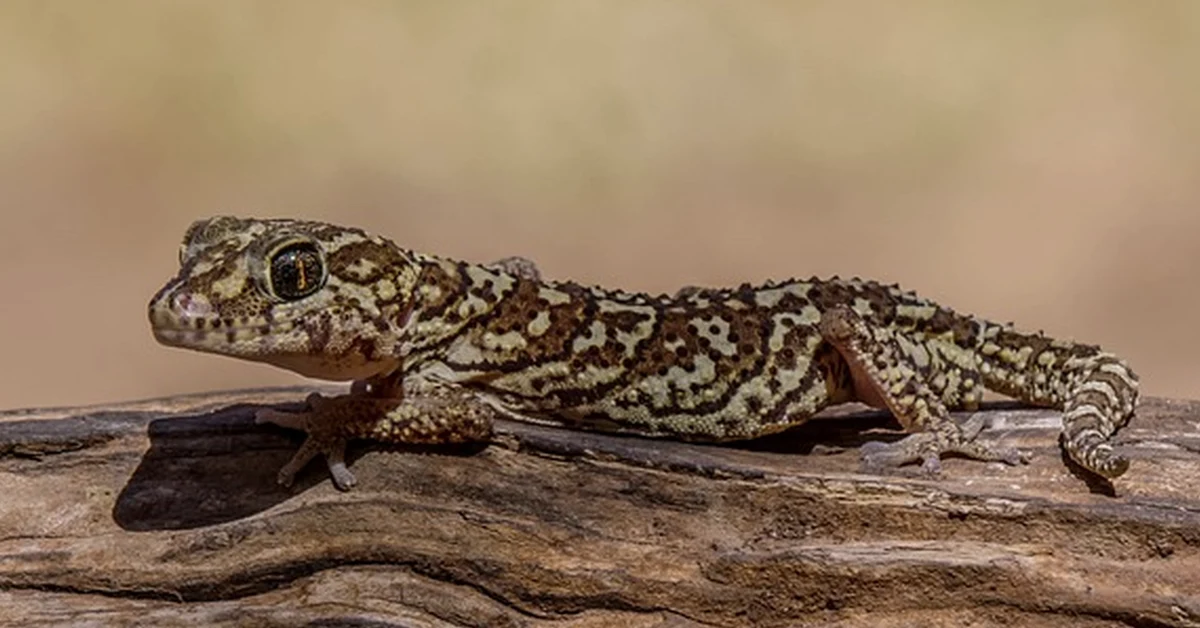
Why leopard geckos drop their tails
Find and remove the trigger.
Handling and trapped tails
Never pick up a leopard gecko by its tail. Check sliding doors, heavy ornaments, narrow hide entrances and transport tubs. A trapped tail can cause a traumatic injury and may not result in a clean defensive drop.
Cohabitation can hide a problem
Geckos may compete or bite after dark, even if they appear calm during the day. Keep recovering animals alone. Check for guarded hides, feeding competition, breeding pressure or territorial stress.
Calcium is rarely the direct cause
Low calcium does not usually cause tail loss. Weak legs, shaking, a soft jaw or poor walking may indicate metabolic bone disease. An exotics vet should assess these signs.
Preventing another reptile tail injury starts with finding the exact trigger. Support the body with both hands during safe leopard gecko handling. Never restrain, lift or guide a gecko by its tail.
Use a secure, ventilated transport tub with paper towel. Do not include heavy décor that can shift or trap the tail. Keep cats, dogs and other predators away from the enclosure.
House injured geckos alone to address cohabitation stress. Avoid mixed groups.
The most common error is missing the cause.
Metabolic bone disease can cause tremors, soft jaw tissue and bowed limbs. It can also cause poor coordination. These signs do not usually cause tail loss directly, but poor health can make recovery harder.
Advertisement
Set up a paper-towel recovery vivarium
Keep recovery simple and clean.
The minimum recovery layout
Use unscented kitchen roll until the stump fully closes. Do not use sand, soil, bark, moss or coco fibre. Provide a warm hide, cool hide, shallow water dish and clean humid hide. Check the stump once daily during cleaning.
Do not use iodine, chlorhexidine, peroxide, Savlon or tea tree products. Do not use wound powders or human ointments unless an exotics vet gives exact instructions.
A clean environment beats unprescribed treatments.
Calcium is not a wound treatment. A suitable reptile calcium supplement can support the normal feeding routine after veterinary advice. Choose a plain product for insect-eating reptiles. Follow the vet or product dosing guidance.
- Allows light dusting of feeder insects within an established feeding plan
- Helps support calcium intake while tail fat reserves are rebuilt
- Gives you a labelled reptile product instead of unsuitable household supplements
Regrowth takes time
Visible regrowth often starts as a rounded bud within 1 to 3 weeks. An obvious replacement commonly develops over 6 to 12 weeks. The new tail is often shorter, smoother and a different colour.
| Time after loss | What may be normal | What needs attention |
|---|---|---|
| Days 1 to 7 | Closed-looking stump, mild redness reducing | Bleeding, smell, discharge or swelling |
| Weeks 2 to 4 | Small rounded regrowth bud | Dark tissue spreading or no appetite |
| Weeks 6 to 12 | Shorter, smoother, often paler tail | Open wound or worsening shape with illness |
A paper towel recovery enclosure needs the same secure temperature gradient. Do not keep it uniformly hot or cold. Aim for a warm hide around 30–32°C. Keep a cooler area around 24–27°C.
Measure both areas with reliable thermometers. Keep the main enclosure dry and clean. Retain a separate humid hide with slightly damp substrate. This helps the gecko shed normally.
High humidity throughout the enclosure can leave dirty, damp bedding around the stump.
Keep geckos apart until the wound fully seals, there are no signs of infection, and the gecko feeds and behaves normally.
Common questions
Is it normal for a leopard gecko to lose its tail?
Yes, it is a natural defence response, but you still need to check the stump and trigger.
How many times can a leopard gecko lose its tail?
A leopard gecko can lose its tail more than once. Repeated loss needs investigation because it uses energy and tail fat reserves.
Does it hurt when a gecko loses its tail?
Tail loss is stressful and may follow injury. Keep handling minimal and provide a quiet recovery enclosure.
Can I leave my gecko on sand after tail loss?
No, replace loose sand with unscented paper towel while the stump heals.
How long does leopard gecko tail regrowth take?
Visible regrowth often begins within 1 to 3 weeks. It commonly develops over 6 to 12 weeks.
Should I put antiseptic on a leopard gecko tail?
No, unless an exotics vet prescribes a specific product and dilution.
- Move a gecko with a fresh stump from loose substrate to clean paper towel immediately.
- Separate all other reptiles, then look for a bite, trapped tail, rough handling or ongoing stress trigger.
- Expect a healthy replacement tail to look shorter and rounder, often over 6 to 12 weeks.
- Seek an exotics vet quickly for bleeding, discharge, smell, black tissue, prolapse, weakness or poor appetite.
Related sources
These articles can help you explore the topic in more depth:
- How did your gecko lose its tail ? : r/CrestedGecko — reddit.com
- Leopard Gecko Tail Drop: Emergency Care Tips — justanswer.com
- Tail/Limb Loss - Mourning Gecko Care — reptifiles.com
- Leopard gecko split tail during shipping- advice please! — community.morphmarket.com

The Reptile Vivarium Team
Our guides are based on comparing specialised reptile care sources, keeper community input, and recognised husbandry guidelines — we are not vets or professional breeders, and we say so where it matters.
The information on this site is general in nature. For any concerns about the health or welfare of your reptile or amphibian, always consult an exotics vet.