A leopard gecko is usually a 10–20-year commitment in captivity. Its lifespan depends on steady heat, food, supplements, hygiene and vet care.
Table of Contents
Advertisement
Leopard geckos usually live 10–20 years
A captive-bred Eublepharis macularius can often live for 10–20 years. It needs reliable heat, diet, supplements, hygiene and health checks.
The 6–10-year figure often includes pets with unknown histories. It can also include old care standards, preventable illness or pets that were rehomed.
A reported age above 20 years may be accurate. Yet hatch dates, breeding histories and care records are not always available.
This is common when geckos have passed through several homes.
Sex is not a reliable lifespan forecast. Females can face egg-production risks, but daily care matters more than sex.
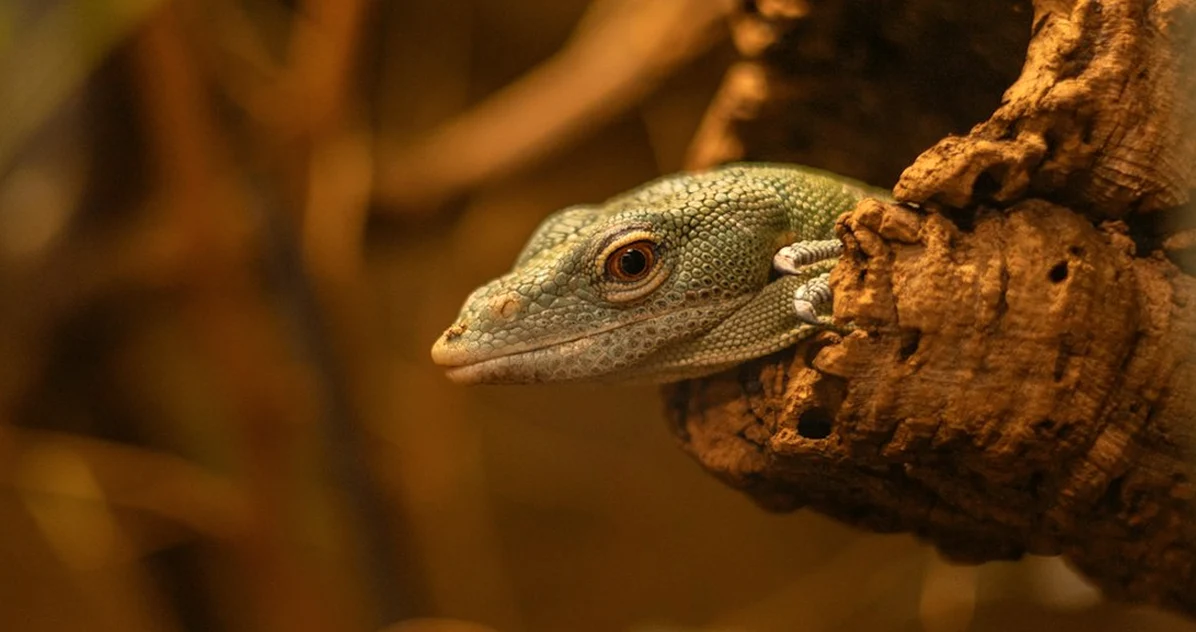
Why lifespan figures seem to conflict
Published ranges mix pets with poor records, well-kept captive-bred geckos and rare older animals. A number helps only when you know its group.
A hatch date changes the answer
A captive-bred juvenile with a breeder’s hatch date has a firmer age record. An adult from a rehoming advert has a less certain history.
An older rescue may still have many good years ahead.
Females have risks, not destiny
Repeated egg laying uses energy and calcium. Poor recovery, weak supplements and wrong temperatures create the risk.
Female sex alone does not create that risk.
Beyond sex, genetics can influence gecko longevity, but they do not make an outcome certain. A captive-bred gecko with a known hatch date gives an owner a clearer start.
A clear breeding background also helps when there are no known inherited or growth concerns.
Genetics may affect growth, body shape, fertility and the risk of some health problems. They cannot make up for poor gecko care.
A gecko from an uncertain background can still have a good life expectancy. It needs stable heat, suitable food, low stress and prompt vet care.
For this reason, choose a breeder or rescue that shares an honest history. Do not expect anyone to promise a set lifespan.
Advertisement
One gecko per vivarium avoids hidden stress
Keeping geckos alone is usually safest. Sharing can cause competition for warmth, hides and food without clear fighting.
Quiet cohabitation can still harm
Two females may seem settled. One may slowly lose weight after being pushed from the warm hide or food bowl.
This stress can stay hidden for weeks.
A sound set-up is measurable
A healthy vivarium needs a warm area of roughly 28–32°C. It also needs a cooler retreat, dry hides, a humid hide and digital probes.
A thermostat limits heat output. A heat mat, ceramic heater or overhead source can burn a reptile without one.
Care needs change from juvenile to senior
Juveniles, adults and senior geckos need different checks. Growth, body condition and age change feeding and weighing needs.
| Life stage | Food and weighing | Normal change | Vet threshold |
|---|---|---|---|
| Juvenile Under 12 months | Feed daily or near-daily in suitable portions. Weigh weekly. | Gradual growth, regular shedding and a strong feeding response. | Weight loss, weak limbs, retained shed or lasting loose stools. |
| Adult About 1–10 years | Often feed 2–3 times weekly. Weigh every 2–4 weeks. | A stable tail and body condition. Less activity than a juvenile. | A thinning tail, repeated appetite change, straining or changed droppings. |
| Senior Usually 10+ years | Adjust portions to body condition. Weigh weekly or fortnightly. | They may move less. They should keep hydration, grip and weight. | Any unexplained loss of weight, strength, appetite or movement. |
Weight trends beat one number
Record the date, weight, food intake, shedding and droppings. A 4–6 gram loss over several weeks can matter more than one low reading.
Seniors need closer observation
Less activity does not always mean old age. Weight loss, weak movement or appetite changes need care and vet checks.
Healthy care for a senior gecko means monitoring steady function. Do not expect an older gecko to become inactive or thin.
A senior may sleep more and eat smaller meals. It may also move more slowly.
It should still keep a fairly full tail, hydration, grip and normal sheds. Its droppings should remain broadly normal.
These signs can reassure you when weight and behaviour stay stable.
Ongoing weight loss is not simply a sign of age. A fast-thinning tail, weak grip or tremors also need attention.
Swollen joints, retained shed and lasting food refusal need attention too. So do breathing changes or trouble walking.
Check the vivarium and supplement routine quickly. Then book an exotics vet rather than assuming normal ageing.
Diet alone cannot protect a long life
A varied insect diet supports health. Long life also needs heat, hydration, a humid hide, clean surfaces and suitable supplements.
Calcium and D3 need a plan
Calcium supports bones, muscles and egg production. Vitamin D3 helps the body use calcium.
Too little or too much of either can cause problems.
Hygiene catches problems early
Fresh water should be available each day. Remove faeces quickly.
Lasting diarrhoea, undigested insects or repeated straining need attention.
For an individual health concern, ask an exotics vet for advice. Do not change supplements or heat settings blindly.
A simple yearly routine makes captive gecko care easier to keep steady. Spot-clean waste and refresh water daily.
Check hides, substrate and food dishes during the weekly clean. Use leopard gecko weight checks each week for juveniles.
Weigh stable adults every two to four weeks. Weigh seniors weekly or fortnightly.
Write down each result rather than trusting memory. Each month, test the reptile thermostat.
Also confirm warm-hide temperatures with digital probes.
At least once a year, arrange leopard gecko vet care with an exotics vet. This matters most for older geckos or those with past health issues.
A faecal test can help with new arrivals. It can also help after unexplained weight loss or diarrhoea.
Use one whenever an exotics vet advises it.
Advertisement
FAQs
How long do leopard geckos live as pets?
Leopard geckos commonly live 10–20 years in captivity with steady care. More than 20 years is possible but unusual.
Is 14 old for a leopard gecko?
Yes, 14 is a senior age, but it can still be healthy. Weight, shedding, grip and droppings matter more than age alone.
Does a male leopard gecko live longer than a female?
Males do not reliably live longer than females. Nutrition, calcium balance, breeding history and vet care have more effect than sex.
Should two leopard geckos live together?
Two leopard geckos should usually live separately. Cohabitation can cause hidden stress, food competition and injuries.
How often should I weigh a leopard gecko?
Weigh juveniles weekly and healthy adults every 2–4 weeks. Weigh seniors weekly or fortnightly.
A repeated fall over several weeks needs attention.
Can a leopard gecko live without UVB?
A leopard gecko may survive without UVB. Correct low-level UVB can support modern captive care.
It never replaces calcium, D3 planning or suitable heat.
When should I take my leopard gecko to a vet?
Contact an exotics vet quickly for weight loss, food refusal or diarrhoea. Also seek help for swelling, weak limbs, retained shed or walking trouble.
Plan for years, not a record age
A leopard gecko’s best chance of a long life comes from ordinary care. That care must be repeated accurately for years.
- Plan for 10–20 years. Treat 20+ years as unusual, not guaranteed.
- House leopard geckos alone. This avoids hidden stress and competition.
- Use thermostatic heating, a measured gradient, a humid hide and a clear supplement routine.
- Track weight and droppings. A 3–4-week trend helps more than one quiet day.
- Ask an exotics vet to assess changes. Do this before calling them normal ageing.
Further reading
If you want to learn more about this topic, these sources may interest you:
- How long do they live? : r/leopardgeckos — reddit.com
- How Long Do Leopard Geckos Live? Lifespan & Care — reptilecentre.com

The Reptile Vivarium Team
Our guides are based on comparing specialised reptile care sources, keeper community input, and recognised husbandry guidelines — we are not vets or professional breeders, and we say so where it matters.
The information on this site is general in nature. For any concerns about the health or welfare of your reptile or amphibian, always consult an exotics vet.