When your bearded dragon has not passed a stool, seems quieter, or strains, do not assume it has a blockage. A warm bath may help an otherwise bright dragon drink or pass a normal stool. It cannot fix a true blockage.
Constipation-like signs can also reflect dehydration, poor basking heat, metabolic bone disease, retained eggs, or illness. Check the whole pattern, not one missed stool.
Table of Contents
Advertisement
Urgent signs need a reptile vet today
A dragon with hind-leg weakness, paralysis, a prolapsed cloaca, or repeated vomiting needs same-day reptile veterinary advice. Severe belly swelling, clear pain, collapse, or marked lethargy also need urgent care. These signs may mean a blockage, but other serious problems can cause them.
A bright adult may pass stools less often during cooler months. This can happen during brumation, a winter-like period of lower activity. Do not label a weak dragon as brumating without checking its care and speaking to a vet.
Rear-leg weakness makes this an urgent case, not one for watchful waiting.
A prolapse is not a home procedure
A cloacal prolapse means internal tissue protrudes through the vent. Keep the tissue clean and damp with sterile saline, if available. Get emergency veterinary care and do not try to push it back inside.
There is no single safe number of days without faeces for every dragon. Hatchlings and juveniles usually pass waste more often than healthy adults. An adult confirmed to be brumating may pass waste less often.
Contact a reptile vet that day if straining comes with appetite loss, weight loss, vomiting, belly swelling, or weak back legs. An adult that seems well still needs prompt checks of heat, water intake, food, and body weight.
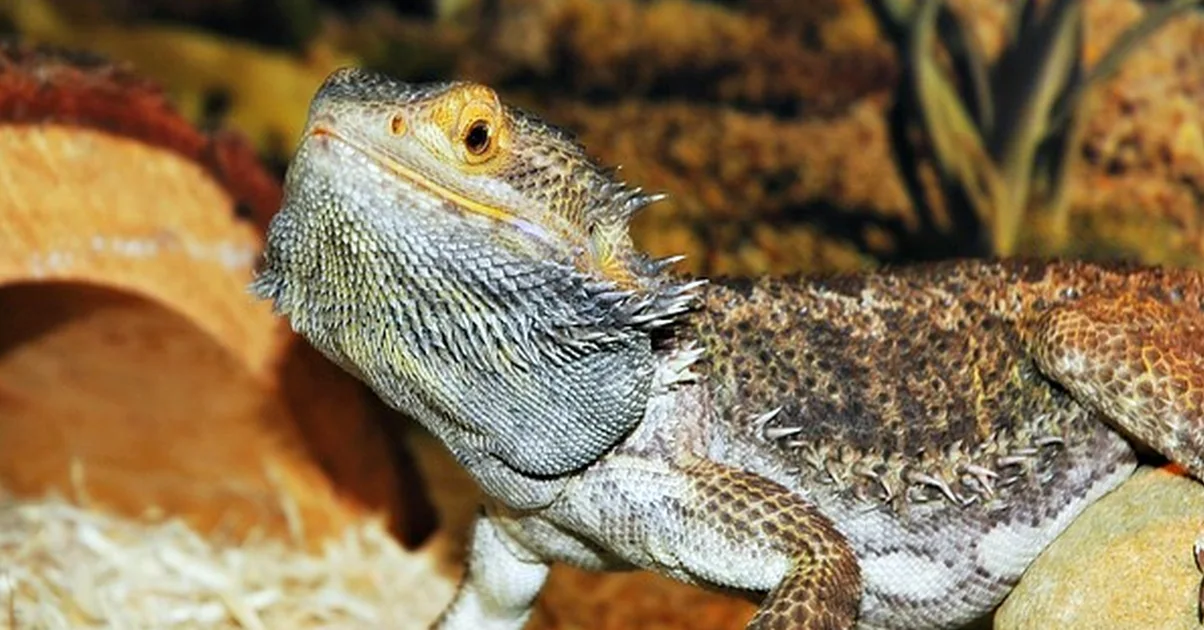
What can look like an intestinal blockage
Impaction cannot be confirmed from a photo, one missed stool, or a firm-looking belly. A reptile vet may need an examination, weight check, X-ray, faecal test, and care review. They will check heat, UVB, diet, water intake, and flooring before choosing treatment.
A suspected blockage needs a reptile vet, especially when stool loss occurs with straining, weakness, vomiting, or swelling. A warm bath can support drinking in a bright dragon, but cannot remove a true obstruction. X-rays may show a blockage, retained eggs, bone disease, or swallowed material. Do not give oils, laxatives, or enemas while waiting for advice.
| Possible cause | Common pattern | Rear legs | Useful first test |
|---|---|---|---|
| Impaction | Less waste, straining, appetite drop | May weaken if severe | Examination and X-ray |
| Simple constipation | Short change, otherwise alert | Normal | Husbandry review |
| Metabolic bone disease | Poor feeding, tremors, or weakness | Often weak or shaky | X-ray and diet review |
| Egg retention | Adult female digs, strains, stops eating | May weaken | X-ray |
| Parasites or illness | Weight loss or abnormal stools | Variable | Faecal test and exam |
MBD can mimic a blockage
Metabolic bone disease (MBD) weakens bones and muscles. Poor UVB light, poor calcium balance, or both can cause it. Weak muscles can make movement and passing waste difficult.
Retained eggs need a different plan
A female can retain eggs even if she has never met a male. Digging, restlessness, a fuller belly, and lower appetite can resemble impaction. Forceful belly massage can cause harm.
One missed stool cannot tell these problems apart.
Advertisement
Prevent repeat problems with measured care
Most recurring problems improve when you correct the whole set-up. Food, water, body heat, muscle strength, and prey size must work together. Think of the gut like a moving queue that slows when the body lacks heat or water.
The most frequent error is blaming one food item. In practice, poor basking heat and old UVB often sit alongside diet problems. Fixing only the flooring may not prevent another episode.
Choose lower-ingestion-risk floors
Paper towel helps with sick dragons, quarantine, and stool checks. Slate or ceramic tile gives a firm, wipe-clean floor. Loose sand and calcium sand can be swallowed during feeding.
A firm feeding surface keeps insects and salad away from loose flooring. It also makes changes in stool easier to spot. This matters while your dragon recovers.
Feed prey that fits the dragon
For young dragons, avoid insects wider than the gap between their eyes. Prey that is too large is harder to process. The risk rises when heat, water intake, or UVB are already poor.
Prevention should change as your dragon grows. Hatchlings and juveniles usually need right-sized live food more often than adults. Mature dragons usually need plant-led diets, with insects adjusted for body condition and veterinary advice.
Weigh your dragon regularly instead of adding food after one missed stool. Provide a basking surface at a measured temperature and a cooler area. This lets the dragon control its body heat.
UVB must suit the enclosure and sit at the manufacturer-approved distance. Unsuitable barriers can block UVB. Replace the tube or bulb on schedule, even when it still looks bright.
Good heat and UVB help the gut muscles do their normal work.
Do not treat a suspected blockage at home
Oils, laxatives, enemas, human medicines, force-feeding, and hard belly massage can worsen a blockage. Pulling material from the cloaca can also cause injury. A warm bath may help a healthy dragon drink, but cannot remove a confirmed blockage.
Write down the last normal stool, food eaten, urate appearance, and current weight. Record temperatures, UVB brand, fitting date, flooring, and any swallowed object risk. Photograph abnormal waste and take a fresh sample if the clinic asks.
Recovery needs gradual changes
Recovery should follow the vet's plan, not a sudden return to heavy feeding. Correct heat, UVB, water intake, and flooring first. Do not assume the problem has passed after one stool.
This article supports, but cannot replace, advice from a reptile or avian-exotics veterinarian who can examine your individual dragon.
After treatment, watch recovery as a trend. One bowel movement does not prove the problem is solved. Record appetite, drinking, activity, weight, and the timing, volume, and look of faeces and urates.
Follow the clinic's advice about when to offer food again. Return to normal portions slowly. Do not give a large insect meal straight away.
Call the clinic again if appetite drops or stools stop again. Also call if the belly swells, or weakness, straining, or vomiting returns.
Slow changes are safer than trying to force a quick result.
What people ask
How do I clear impaction in a bearded dragon?
A suspected impaction needs assessment by a reptile vet. Do not try oil, laxatives, enemas, or forceful massage at home. Seek same-day care for rear-leg weakness, vomiting, prolapse, severe swelling, or extreme lethargy.
How do I know if my dragon is impacted?
Impaction may cause fewer stools, straining, appetite loss, belly swelling, and lethargy. MBD, parasites, dehydration, and retained eggs can cause the same signs. A vet may need an examination and X-ray to tell the difference.
Can a warm bath make my bearded dragon poo?
A warm bath may encourage drinking or a normal bowel movement in a bright dragon. It cannot safely confirm or cure an obstruction. Call a vet if your dragon seems painful, weak, vomits, or shows other illness signs.
How much does impaction surgery cost in the UK?
There is no reliable single price for surgery in the UK. Costs depend on X-rays, blood tests, emergency timing, anaesthetic, hospital care, and whether surgery is needed. Ask a reptile clinic for an estimate after the examination.
Advertisement
Act on the whole pattern, not one stool
A missed stool means you should check the enclosure and watch closely. It does not prove a blockage. Treat weakness, prolapse, vomiting, clear pain, and severe swelling as urgent veterinary signs.
Do not let home remedies delay proper care. A reptile vet can assess the cause and choose safe treatment.
Learn more
Here are some additional resources on this subject:
- Impaction — reptifiles.com
- Bearded Dragon Impaction: Everything You Need to Know — dragonsdiet.com
- Potentially impacted dragon. Any tricks for helping her poop? — reddit.com
| Sign or situation | What a warm bath may do | What it cannot do | Best next step |
|---|---|---|---|
| Bright dragon with a single missed stool | Encourage drinking and normal bowel movement | Confirm or clear an intestinal blockage | Check basking temperatures, hydration and recent diet |
| Mild straining but normal movement and appetite | Provide short-term hydration and a chance to defecate | Treat dehydration, parasites or underlying disease | Monitor closely and contact a reptile vet if signs persist |
| Hind-leg weakness, paralysis or severe lethargy | Offer no reliable treatment | Resolve impaction, metabolic bone disease or spinal problems | Seek same-day reptile veterinary advice |
| Vomiting, painful swollen abdomen or cloacal prolapse | May add stress and delay treatment | Remove a blockage or treat egg retention | Treat as urgent and contact a reptile vet immediately |
- A warm bath can support hydration in an otherwise alert bearded dragon, but it is not a treatment for confirmed impaction.
- One missed bowel movement does not automatically mean intestinal blockage, especially if the dragon is eating, active and behaving normally.
- Review enclosure conditions, particularly correct basking heat and UVB lighting, because poor husbandry can slow digestion.
- Constipation-like signs may also be caused by dehydration, metabolic bone disease, parasites, illness or retained eggs in females.
- Never force-feed, give laxatives or attempt to manually remove stool unless a reptile veterinarian has specifically instructed you to do so.
- Hind-leg weakness, repeated vomiting, severe abdominal swelling, collapse, marked pain or a cloacal prolapse require urgent veterinary assessment.
- A reptile vet may need to use an examination and X-ray imaging to distinguish true impaction from other serious conditions.
- Don't Build a UK Bioactive Vivarium for Every Pet
- Your leopard gecko tank may be too small for adulthood

The Reptile Vivarium Team
Our guides are based on comparing specialised reptile care sources, keeper community input, and recognised husbandry guidelines — we are not vets or professional breeders, and we say so where it matters.
The information on this site is general in nature. For any concerns about the health or welfare of your reptile or amphibian, always consult an exotics vet.