You have wiped the vivarium, sprayed disinfectant and replaced the water bowl. Yet faeces remain beneath the cork bark, and the same cloth has been used on another enclosure. These ordinary mistakes matter most after illness, a new arrival or a messy shed.
Table of Contents
Advertisement
Clean first, then disinfect safely
Remove organic waste before applying disinfectant so it can reach the surface.
Know what each word means
Cleaning removes faeces, urates, shed skin, food and substrate. Disinfection reduces germs on a clean surface. A vivarium can look spotless while a bowl still carries slippery microbial biofilm.
Use the four conditions together
Scrub first, dilute exactly, keep the surface wet, then dry it fully. Follow the product label. Check its contact time, often 5 to 15 minutes. Check the rinsing instructions and ventilation requirements. Never make a stronger mix at home.
This matters most for amphibians, whose skin takes in water and chemicals with ease. Reptiles may also carry Salmonella without looking ill.
Cleaning and disinfection are different tasks.
For reliable vivarium hygiene, the terms matter. Reptile enclosure cleaning means removing faeces, urates, food remains, shed skin and debris. This organic waste removal comes before any chemical treatment.
Sanitising lowers the general germ load, but it may not control germs linked to a sick collection. Reptile-safe disinfection uses a product, dilution and disinfectant contact time that match its label claim.
Sterilising destroys all living germs, including spores. It usually needs clinical or specialist equipment and is not a realistic task for a home vivarium.
Drying does not replace rinsing when the label says to rinse. Remove any disinfectant residue before the animal returns.
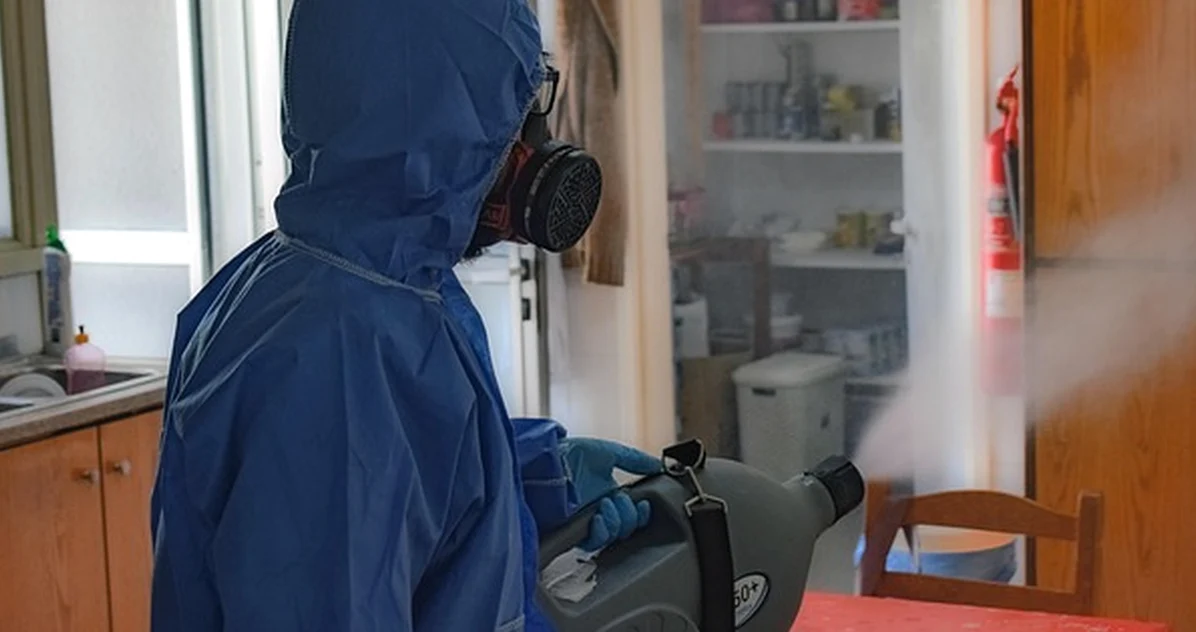
Match the method to the surface
Choose treatment by material, contamination and health risk rather than relying on one product.
Treat non-porous items properly
Remove bowls, plastic hides and smooth décor. Scrub away residue and biofilm, then disinfect them as the label directs. Rinse and dry them where required. Check bowl rims and undersides closely.
| Item | Routine action | After illness or quarantine |
|---|---|---|
| Glass, sealed plastic, bowls | Wash, disinfect to label, rinse if required | Repeat after removing all debris |
| Cork, branches, foam backgrounds | Remove visible waste and assess condition | Replace if heavily soiled or hard to clean |
| Loose substrate | Spot-clean daily | Discard and replace |
| Thermostats and lamps | Unplug and wipe outer surfaces only | Clean cables and replace damaged parts |
Replace porous or risky items
Discard loose substrate after suspected infectious disease rather than trying to disinfect it. Soil, moss, leaf litter, sand, cork and foam can trap faecal matter deeply. Home treatment cannot clean these items with confidence.
Keep liquids away from electrics
Unplug lamps, heat mats, thermostats, fans and misting units. Wipe outer surfaces with a barely damp cloth. Then restore the right temperature and humidity before the animal returns.
Porous materials are often the hidden problem, particularly after illness.
Advertisement
Build a one-way hygiene routine
Work from healthy animals towards quarantine and sick animals to stop contamination travelling backwards.
Give each area its own tools
Use colour-coded tongs, bowls, cloths, brushes and waste bags. Give healthy, quarantine and isolation areas their own set, and store each set apart. Clean-looking shared tools can still move faecal traces, parasites or bacteria.
Follow a repeatable schedule
Spot-clean daily, inspect weekly and deep-clean only when the enclosure type needs it. Remove waste, uneaten food and fouled material promptly. Do not strip bioactive enclosures when it is not needed. Keep a written record of cleaning, appetite, faeces and weight changes.
A written checklist makes routine care easier to repeat. Each day, remove faeces, urates, uneaten food and wet patches. Remove fouled loose substrate. Wash water bowls. Check temperatures, humidity and equipment.
Each week, inspect hides, seals, corners and bowl undersides. Look for residue or microbial biofilm. In a bioactive enclosure, clean only affected areas.
Each month, check washable non-porous furnishings for a full clean. Replace damaged porous enclosure décor when needed.
The most common error is sharing tools between enclosure groups.
After diarrhoea, regurgitation, parasite concerns or a new arrival, write down the date and isolate affected materials. Clean more often.
For electrical equipment cleaning, disconnect power first. Wipe reachable outer surfaces with a barely damp cloth. Never let liquid enter fittings, plugs or controllers.
Effective quarantine hygiene needs more than paper towel and a separate bowl. Keep a new or unwell reptile in a separate room where practical. Otherwise, keep it as far from established enclosures as possible.
Give it its own waste bin, feeding equipment and colour-coded cleaning tools. Handle established healthy animals first, quarantined animals next, and isolated or symptomatic animals last.
Wash hands and change gloves before other work. This helps prevent cross-contamination, including transfer on tongs, phones, clothing and water containers.
Many collections use quarantine periods of around 60 to 90 days. Agree the period and faecal testing with an exotics vet, based on source, species and symptoms. These measures also improve household Salmonella biosecurity.
Avoid the shortcuts that spread risk
Return an animal only when its enclosure is dry, ventilated and at the correct temperatures.
More concentrate does not mean more reptile-safe. It can leave residue, irritate skin or lungs, and damage seals or décor. Read the label each time you mix a fresh solution.
Act differently after illness
Move a suspect animal into a simple isolation enclosure and contact an exotics vet if symptoms persist. Replace disposable substrate and stop sharing tools. Photograph unusual faeces or lesions before cleaning them away.
What people ask
Can I disinfect a reptile enclosure with the animal inside?
No, remove the animal before disinfecting. The enclosure must be dry before it returns.
How long should disinfectant stay on a vivarium?
Keep it wet for the label contact time. This is commonly between 5 and 15 minutes.
Is bleach safe for reptile enclosures?
Only use bleach if its label permits the use, dilution and rinsing method. Never mix it with other cleaners.
How often should I deep-clean a snake enclosure?
Deep-clean when substrate is soiled, wet, smelly or follows illness. Spot-clean waste promptly.
Do bioactive vivariums need disinfecting?
Bioactive vivariums need targeted cleaning. Do not routinely disinfect living substrate or clean-up crews.
What is the best quarantine setup for a new gecko?
Use paper towel, a washable hide, a water bowl and dedicated tools. Keep the setup away from established animals.
Can I use the same cleaning cloth for two enclosures?
No, use separate or colour-coded cloths for each enclosure group.
What should I do after a reptile has diarrhoea?
Remove waste, keep a photo and contact an exotics vet if diarrhoea persists. Use gloves and dedicated tools.
- Remove organic waste before any disinfectant touches the enclosure.
- Use the exact labelled dilution. Keep surfaces wet for the full contact time.
- Replace heavily contaminated porous substrate and décor. Do not rely on a spray.
- Work from healthy animals to quarantine, then isolation. Use separate tools for each area.
- Use an exotics vet when illness signs persist or contagious disease is possible.
Advertisement
Related sources
These articles can help you explore the topic in more depth:
- The Role of Reptile Disinfectants in Preventing Common ... — portonaquapet.co.uk
- Reptile Cleaning & Disinfectants — livingartballpythons.co.uk
- Interim guidance on biosecurity for reptile fieldwork — arc-trust.org
- Vivarium Maintenance Guide: Keep Your Reptile's Habitat ... — petsathome.com
| Task | What to remove or manage | Why it matters for biosecurity |
|---|---|---|
| Daily spot-cleaning | Faeces, urates, uneaten food and wet substrate | Reduces contamination before pathogens can spread around the enclosure |
| Cleaning | Visible dirt, shed skin, slime and organic residue | Allows disinfectant to contact the actual surface rather than being blocked by debris |
| Disinfection | Microbes remaining on already-clean bowls, décor and surfaces | Lowers the pathogen load when the correct dilution and contact time are used |
| Quarantine cleaning | Equipment, hands and footwear used between enclosures | Prevents transferring Salmonella, parasites or other infectious agents to healthy reptiles |
- Remove faeces, urates, food waste and soiled substrate before using any disinfectant.
- Scrub water bowls, hides and décor to break up biofilm; a surface can look clean while still carrying microbes.
- Mix disinfectant exactly as directed on the label—stronger solutions are not automatically safer or more effective.
- Keep treated surfaces wet for the full stated contact time, commonly 5–15 minutes, before rinsing or drying where required.
- Use separate cloths, brushes and buckets for quarantine or sick-animal enclosures, and do not move them between vivariums.
- Rinse and dry items fully before returning reptiles or amphibians, especially where product instructions require rinsing.
- Wash hands between animals and clean healthy enclosures before sick or quarantined ones to reduce cross-contamination.

The Reptile Vivarium Team
Our guides are based on comparing specialised reptile care sources, keeper community input, and recognised husbandry guidelines — we are not vets or professional breeders, and we say so where it matters.
The information on this site is general in nature. For any concerns about the health or welfare of your reptile or amphibian, always consult an exotics vet.