Most chameleons considered by beginner keepers are not true beginner reptiles. Even veiled and panther chameleons need specialist equipment, live-food care and daily checks.
Table of Contents
Advertisement
Test your routine before choosing a chameleon
A chameleon suits a beginner only when daily specialist care is possible. This includes weekends, bank holidays and holidays abroad.
Daily care is not optional
Plan for 20 to 40 minutes each day. Check temperatures, water, lighting, insects and behaviour.
You also need weekly cleaning and feeder gut-loading. Gut-loading means feeding insects nutritious food before the chameleon eats them.
Handling should stay limited to essential tasks. Most chameleons find it stressful.
Four questions that decide it
- Can you check water, lights and temperatures every day?
- Can you spend roughly £450 to £900 before purchase and £45 to £100 monthly?
- Can you reach a reptile-experienced exotic vet and keep an emergency fund?
- Can a trained carer visit daily when you travel?
Run the enclosure for one to two weeks before buying an animal. This tests temperature, humidity and drainage cycles.
A chameleon cannot wait until your routine becomes easier.
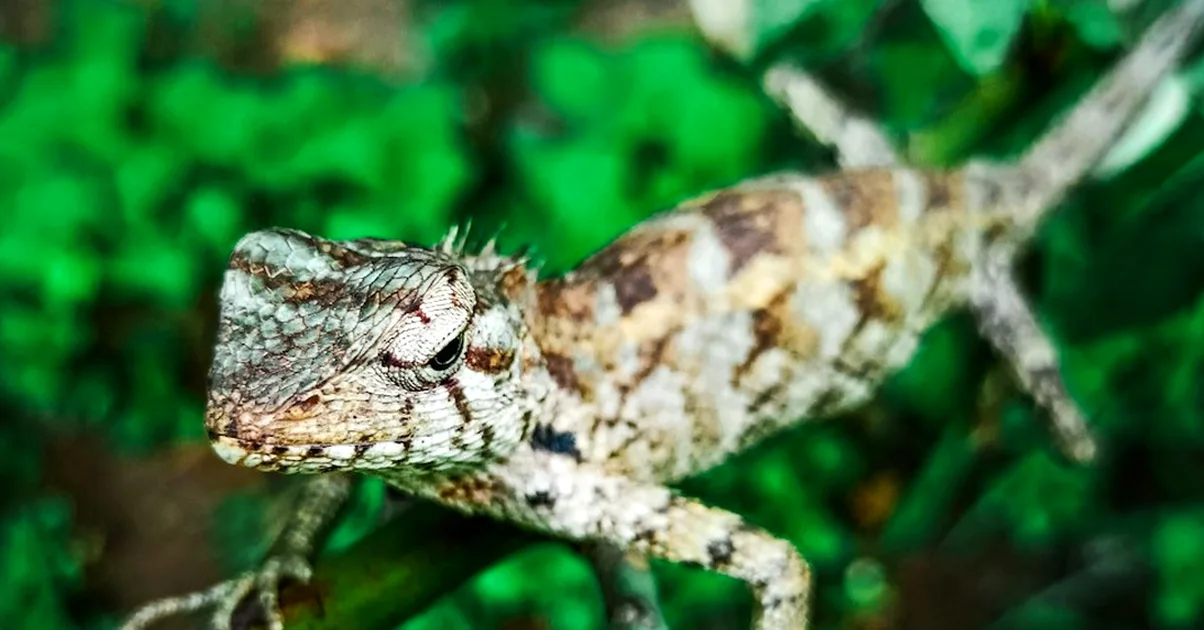
Compare beginner chameleons by care and cost
A captive-bred veiled chameleon is usually the least difficult option for a prepared first keeper in England. It is still not easy.
| Species | Adult size and life | Typical day range | Initial cost | Real difficulty |
|---|---|---|---|---|
| Veiled Chamaeleo calyptratus | 35 to 60 cm; 4 to 7 years | 24 to 29°C, basking about 32°C | £550 to £1,000 including animal | Least difficult, not easy |
| Panther Furcifer pardalis | 35 to 55 cm; 4 to 6 years | 24 to 28°C, basking 30 to 32°C | £750 to £1,500 including animal | Demanding, higher purchase cost |
| Jackson's Trioceros jacksonii | 25 to 35 cm; 5 to 8 years | 20 to 24°C, cool nights needed | £650 to £1,200 including animal | Specialist cooling needs |
Veiled or panther chameleon?
Choose a veiled chameleon if you accept a larger adult and possible plant nibbling. Choose a panther only if its higher price leaves enough money for the enclosure and vet care.
Jackson's is not the easy small choice
Jackson's chameleons need cool conditions and may overheat in centrally heated English homes. They are rarely suitable as a first chameleon.
The most frequent mistake is choosing Jackson's because it is smaller. A smaller animal does not mean simpler care.
For beginner chameleon care, compare the daily environment as well as the animal price. Veiled chameleon care needs daytime humidity of roughly 40 to 60%.
Provide a wet morning period, then allow good drying time. Veiled chameleons eat varied live insects and may nibble safe plants.
Panther chameleon care is similar, but panthers usually cost more. They also have very low handling tolerance.
Jackson's chameleon care needs cooler days, cooler nights and careful humidity control. Overheating is a major risk.
None of these species is a hands-on pet.
Move a chameleon only when needed. Let it step onto a branch or hand by choice.
Stop if it darkens, hisses, gapes or tries to escape. These signs show that handling is causing stress.
Choose a veiled chameleon if your setup and budget are already ready. The next section shows why a cheap starter kit can fail.
Advertisement
A safe enclosure costs more than a starter kit
A healthy setup needs a tall enclosure with good air flow. It also needs linear T5 UVB, controlled heat and reliable drainage.
The equipment that protects health
For an adult veiled or panther, use at least a 90 x 45 x 90 cm enclosure. A taller enclosure is better.
Fit a linear T5 UVB tube and a thermostat-controlled basking lamp. Use digital temperature and humidity gauges.
UVB and calcium help prevent metabolic bone disease. This disease weakens bones when calcium use fails.
Good equipment prevents problems before they become emergencies.
A suitable enclosure kit can help compare essential parts. Check every item against your chosen species before buying. Avoid kits with a small glass tank or weak UVB bulb.
- Check for a tall enclosure with cross-ventilation, not a sealed display tank.
- Budget for a linear T5 UVB tube, thermostat and separate digital gauges.
- Allow drainage beneath live plants and regular misting.
Water needs drainage and fresh air
Give drinking opportunities through misting, drippers or automated systems. Then let surfaces dry.
Constant wetness and stale air raise breathing risks. Think of it like drying laundry in a closed bathroom.
Treat the animal price as one budget line. A realistic setup needs an enclosure, drainage tray, plants and branches.
It also needs a linear T5 UVB fitting and replacement tube. Add a basking thermostat, digital gauges and misting or dripper equipment.
You need timers and initial feeder tubs too. Monthly costs include insects, gut-loading food, supplements and electricity.
Plant supplies and cleaning supplies add further costs. You must also plan for future lamp replacements.
This may work well on paper, but cheap kits often miss key parts. They may lack safe air flow, drainage, accurate gauges or suitable UVB.
An emergency vet fund matters too. One exotic reptile consultation can cost more than several weeks of routine supplies.
Choose the proper enclosure first, then choose the animal. The seller and holiday plan matter just as much.
Buy captive-bred animals and plan for absences
Buy a healthy captive-bred chameleon from a seller with welfare, origin and legal information. Do not rely on a verbal promise.
Questions for the breeder or shop
Ask for the hatch date, sex, feeding records and parent origin. Ask for proof that the animal was captive bred.
Check for clean, open eyes and a firm grip. Look for straight limbs and no wheezing.
Keep any required CITES paperwork. CITES controls trade in some protected species.
Females and holiday cover need planning
Females can lay infertile eggs and need a laying area. Straining or weakness needs urgent reptile vet care.
Arrange a trained carer for every day away. They must check equipment, food and drinking behaviour.
A common case is a holiday carer who only adds insects. The misting timer fails, and dehydration follows before the owner returns.
In the UK, ask for paperwork before paying. Do not assume every chameleon has identical legal rules.
Some animals may fall under CITES-related controls. A seller should explain captive-bred status, source and needed transfer papers.
Keep the invoice, breeder details, hatch information and all paperwork for its life. Rules and enforcement can differ across UK nations.
Rented homes may add their own restrictions. Local conditions can add limits too.
If a seller cannot show a clear captive-bred origin trail, choose another seller. This protects both you and the animal.
Choose a seller who can prove the animal's history. The answers below address the remaining buying questions.
Your questions answered
Which chameleon is easiest for beginners?
A captive-bred veiled chameleon is usually least difficult for beginners. It still needs daily specialist care, including live insects and controlled lighting.
What is the best chameleon for handling?
No chameleon is suitable for frequent handling. Move one only for needed care or enclosure work.
Can i leave my chameleon for a week?
No, a competent carer must check your chameleon every day. They need to inspect water, lights, temperatures and behaviour.
How much does a chameleon cost in england?
A safe first setup commonly costs £550 to £1,500, including the animal. Monthly running costs are usually £45 to £100.
Do female chameleons need a male to lay eggs?
No, female chameleons can lay infertile eggs without mating. They still need a suitable laying area.
Is a glass vivarium suitable for a chameleon?
Standard sealed glass vivariums often have too little ventilation for chameleons. A tall enclosure with good air flow is safer.
Do i need paperwork for a chameleon in the UK?
You may need paperwork for a chameleon in the UK. Ask for traceable captive-bred records and keep seller documents.
Advertisement
Choose the reptile that fits your life
Choose a captive-bred veiled chameleon only when the enclosure, exotic-vet plan and daily routine are ready. This is the clear first choice among these three species.
Choose a leopard gecko or bearded dragon if you want more handling tolerance. They also suit a less fragile daily routine better.
No chameleon is the right choice when daily checks cannot happen.
- A veiled chameleon is the most forgiving option, but it is not low-maintenance.
- Budget for ventilation, drainage, linear T5 UVB, live food and an exotic vet before buying.
- Females, holidays and warm homes add risks that need solutions before purchase.
- Choose a different reptile if daily checks or limited handling do not suit you.
Related sources
These articles can help you explore the topic in more depth:
- 5 of the Best Chameleons to Keep as Pets — pbspettravel.co.uk
- What are some good chameleons for beginners that ... — reddit.com
- Choosing a Chameleon — chameleonacademy.com
- Chameleon Reptiles for sale — pets4homes.co.uk

The Reptile Vivarium Team
Our guides are based on comparing specialised reptile care sources, keeper community input, and recognised husbandry guidelines — we are not vets or professional breeders, and we say so where it matters.
The information on this site is general in nature. For any concerns about the health or welfare of your reptile or amphibian, always consult an exotics vet.