A bioactive vivarium works only when temperature, humidity and airflow suit the animal's natural climate. Build for the species first. Then let the habitat mature for two to six weeks before adding the animal.
Table of Contents
Advertisement
Choose the biome before buying anything
Choose your animal's climate first, and avoid buying the wrong kit. Dart frogs need a moist planted base. Bearded dragons need dry air, strong basking heat and dry digging substrate.
Match species to climate
Use this decision table before placing any order. It helps you plan. It does not replace a species-specific care guide.
| Animal | Build type | Airflow | Drainage layer | Clean-up crew |
|---|---|---|---|---|
| Bearded dragon | Arid, deep mineral soil | High | Usually no | Dry-tolerant isopods, limited |
| Leopard gecko | Arid with humid hide | High | Usually no | Dry-tolerant isopods |
| Crested gecko | Tropical planted | Moderate | Often useful | Springtails and isopods |
| Corn snake or ball python | Semi-humid | Moderate | Usually no | Species-compatible isopods |
| Dart frogs | Tropical planted | Moderate, never sealed | Often useful | Springtails and isopods |
| Chameleon | High-airflow planted | Very high | Case dependent | Not a first build |
A drainage layer, or false bottom, holds extra water beneath soil in tropical setups. In arid enclosures, it can become a hidden damp reservoir.
Check airflow before humidity
Fit digital thermometers and hygrometers at the basking area and cooler end. One reading cannot describe the whole enclosure.
A bioactive vivarium is a planted enclosure with animals, plants, substrate, leaf litter and a clean-up crew. These parts form a managed ecosystem.
Springtails eat mould and tiny decaying particles. Isopods break down leaf litter and other organic material.
Neither replaces spot-cleaning or correct feeding.
The system works only when waste stays below what the enclosure can process. Remove faeces, urates and uneaten feeder insects. Replace used leaf litter. Do not overstock the enclosure.
A bioactive build is not self-cleaning. It is a living support system. It can make routine care more stable when moisture, airflow and stocking are right.
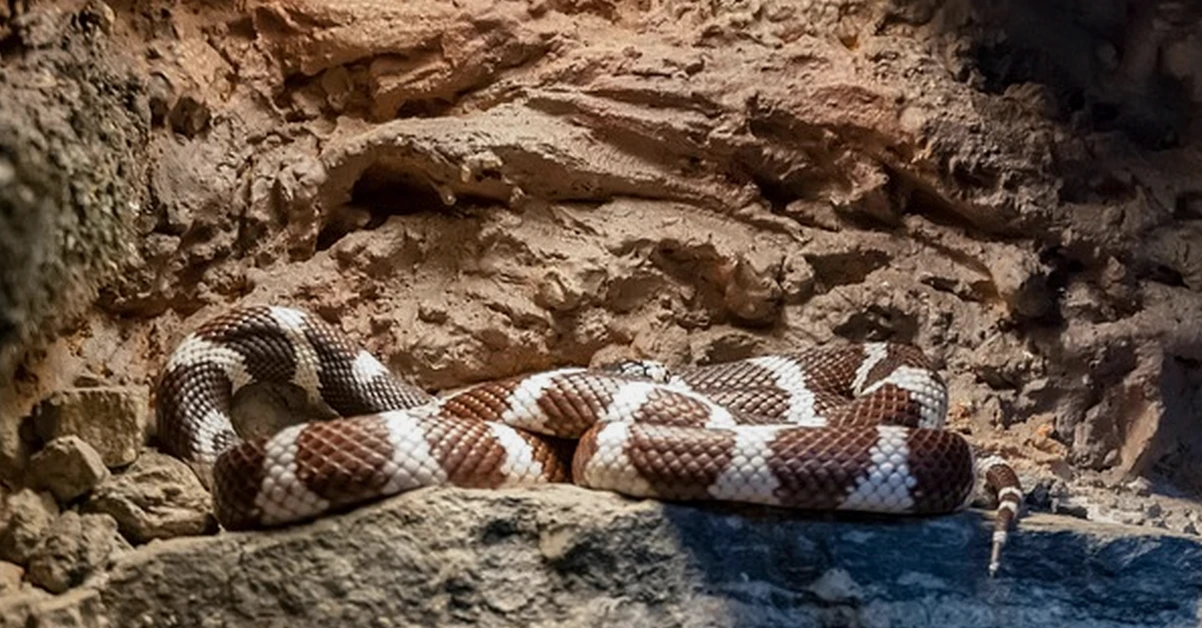
Build the right substrate for the biome
Build a dry, tropical or semi-humid base, not one fashionable recipe. Substrate must support roots and microfauna. It must not hold more water than the species can tolerate.
Assemble an arid base
Mix unfertilised organic topsoil, washed sand and excavator clay or a safe mineral aggregate. Give digging species roughly 10 to 20 cm of depth where possible. Put heavy rocks on the enclosure base before adding substrate.
Assemble a tropical base
Use expanded clay balls or similar inert drainage media below a mesh barrier. Then add tropical substrate, cork, plants and leaf litter.
Add springtails first. Then add moisture-suitable isopods. Give them enough leaf litter and a hidden feeding area.
Create a semi-humid middle ground
Keep most of a corn snake or ball python enclosure moderately dry. Then add a humid hide. Fill it with damp sphagnum moss or another safe material for shedding.
For tropical bioactive vivariums, light and water should support plants without keeping the enclosure permanently wet. Use plant-capable LED lighting on a steady day-and-night timer. Choose UVB and heating only for the species' verified care needs.
Hand misting may suit a small dart frog enclosure. An automated mister can give steadier coverage in a larger planted build. Let surfaces dry slightly between misting cycles. Keep suitable lower-level moisture for plants and springtails.
Make a humidity gradient instead of treating every area alike. Moisture can be higher near substrate and planted areas. Keep fresher, drier air near upper vents.
Place a digital hygrometer away from direct spray. It gives a more useful trend than a reading taken straight after misting.
Advertisement
Price your UK build before you order
Calculate litres from enclosure size, then compare DIY materials with a kit. Multiply length, width and substrate depth in centimetres. Divide the result by 1,000. Buy slightly more for slopes and planting.
Compare DIY and kit costs
| UK route | Typical initial materials | Typical cost | Ongoing costs |
|---|---|---|---|
| Arid DIY | Soil mix, cork, hides, plants, microfauna | £55 to £120 | Plant replacement, leaf litter, UVB, electricity |
| Tropical DIY | Drainage media, mesh, soil, plants, cultures | £90 to £190 | Misting, cultures, LED, UVB where needed |
| Pre-packed kit | Selected substrate and starter supplies | £75 to £180 | Often excludes lighting and replacements |
Quarantine plants and wood
Quarantine plants for at least two weeks. Remove nursery soil. Rinse leaves and roots. Repot them in safe unfertilised substrate.
Avoid pesticide-treated plants, granules and fertiliser-rich compost.
Mature the enclosure and fix problems early
Run the enclosure empty until heat, moisture and microfauna are stable. Most planted builds need two to six weeks. Tropical systems often take longer.
Use a simple maturity timetable
During the first week, plant and water for the biome. Add microfauna and remove dead leaves.
Between weeks two and six, check for stable readings and rooted plants. Check for active microfauna. Do not add the animal if a sour smell persists.
Correct faults at their source
White mould is common at first in tropical builds. Remove decaying material, improve airflow and let springtails establish. Persistent bad smells need contaminated substrate removed and less watering.
If substrate becomes waterlogged, stop extra misting. Check that the drainage layer has not filled to the mesh barrier. Remove standing water where possible. Increase airflow without causing unsafe temperature swings.
Healthy isopod colonies rise and fall. A sudden explosion often means too much food or constantly wet substrate. Cut extra food and remove decaying plant matter.
If dry-tolerant isopods vanish in an arid bioactive vivarium, add a small protected moist refuge. Check for too much heat, dryness or competition.
For dart frogs, use established cultures from reputable suppliers. Do not assume isopods are harmless in every situation.
Large, protein-hungry species or underfed colonies may disturb eggs, vulnerable froglets or food dishes. Keep leaf litter available. Feed the clean-up crew modestly. Keep a separate backup culture before major changes.
FAQs
How do I set up a bioactive vivarium?
Choose the species and biome first. Then fit suitable heating, airflow, substrate, plants and a clean-up crew. Mature the enclosure before adding the animal.
Do dart frogs need a drainage layer?
Most planted dart frog vivariums benefit from drainage when you mist or water them often. Use a mesh barrier. Stop water from reaching the soil surface.
Do I need a drainage layer for a bearded dragon?
Most bearded dragon enclosures do not need one. A dry mineral-rich substrate and careful plant watering suit arid conditions better.
Are springtails and isopods enough to clean waste?
No, springtails and isopods cannot clean all animal waste. Remove faeces, urates, uneaten insects and contaminated substrate promptly.
How long should a bioactive vivarium cycle?
A bioactive vivarium usually needs two to six weeks to mature. It is ready when readings are stable, plants root and no bad smell remains.
Can I put shop plants straight into a vivarium?
No, quarantine and clean shop plants for at least two weeks first. Remove nursery soil and avoid pesticide-treated plants.
Is a bioactive kit cheaper than doing it yourself?
Kits are faster, but DIY is often cheaper for larger UK enclosures. Compare included litres, equipment and replacement costs.
Can I make a bioactive chameleon enclosure?
You can, but it needs very high airflow and species-specific planning. A humid glass vivarium is usually unsuitable for beginners.
Advertisement
Plan the enclosure, then buy supplies
- The essentials: choose the animal's biome before choosing a kit, substrate or misting system.
- The essentials: use drainage layers for regularly watered tropical builds, not as a default feature.
- The essentials: cycle a planted enclosure for two to six weeks and check it with digital equipment.
- The essentials: remove visible waste yourself, because a clean-up crew only supports routine care.
Learn more
Here are some additional resources on this subject:
- Bio Active Kits | GlobalGeckos.co.uk — globalgeckos.co.uk
- Bioactive Vivarium Kits – Small, Medium Or Large (No ... — frogfather.co.uk
- Guide to Arid Bioactive Vivarium Set-up and Maintenance — evolutionreptiles.co.uk

The Reptile Vivarium Team
Our guides are based on comparing specialised reptile care sources, keeper community input, and recognised husbandry guidelines — we are not vets or professional breeders, and we say so where it matters.
The information on this site is general in nature. For any concerns about the health or welfare of your reptile or amphibian, always consult an exotics vet.